


A 51-year-old male presented with mid-thoracic back pain and bilateral leg weakness. He sought evaluation following a workplace injury that occurred three months earlier. Initially, the patient reported worsening mid-back pain and difficulty walking. About two weeks after the accident, he developed new-onset leg weakness, which was initially attributed to gabapentin prescribed for his pain. However, discontinuation of the medication did not alleviate the gait issues. Upon evaluation, the physical exam revealed diminished reflexes in the bilateral biceps, triceps, brachioradialis, as well as left-sided quadriceps and hamstrings. Decreased strength was also noted in both the quadriceps and tibial muscles bilaterally.
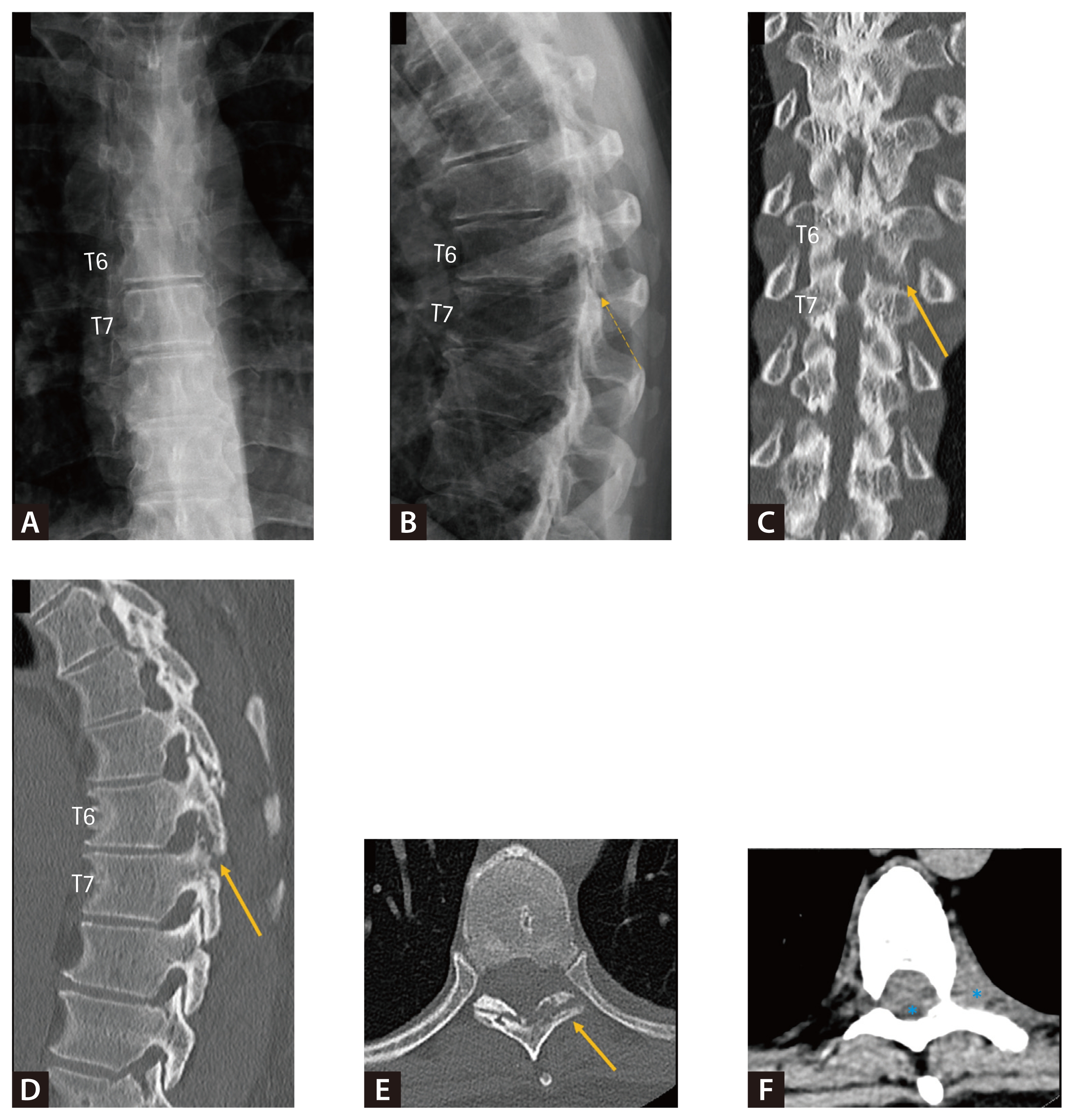
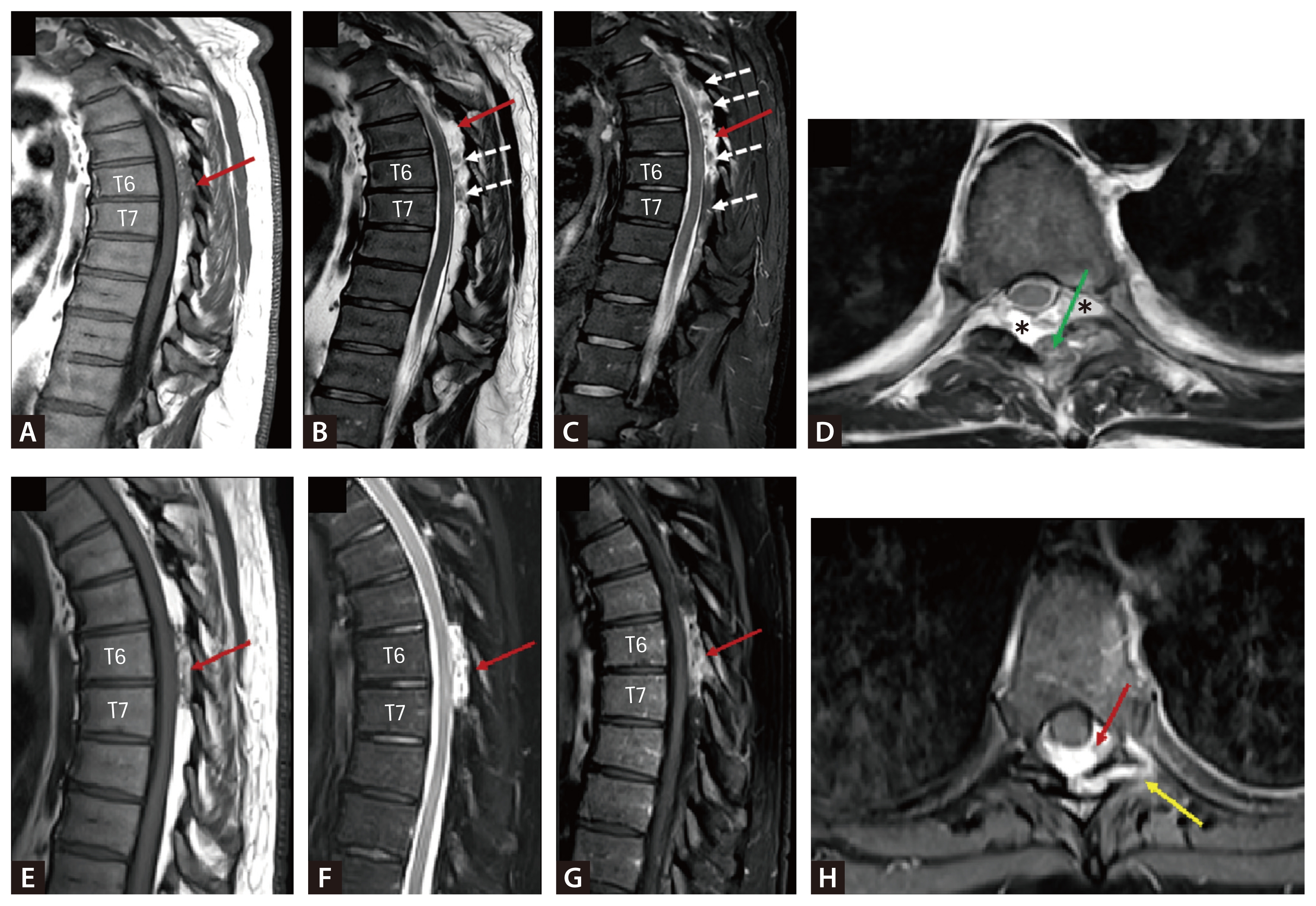
Computed tomography (Fig. 1) and magnetic resonance imaging (MRI) (Fig. 2) demonstrated a left T6–T7 facet arthropathy with inflammatory changes compatible with pigmented villonodular synovitis (PVNS) of the spine. The neurosurgery team continued symptomatic treatment and decided not to perform a biopsy, given the significant clinical and imaging improvement observed at the 3-month follow-up. Notably, the patient exhibited substantial resolution of the inflammatory process, achieving a highly favorable outcome without surgical intervention.
This case of PVNS in the thoracic spine is notable due to its rare location, as PVNS typically affects peripheral joints [1]. It underscores the importance of considering PVNS in patients with atypical back pain and neurological symptoms. Delayed leg weakness, initially attributed to medication, highlights diagnostic complexity. MRI was crucial for diagnosis, revealing features like synovial hyperplasia and hemosiderin deposits, which helped differentiate PVNS from other conditions [2]. Although exceedingly rare, PVNS has been reported affecting the facet joints of the spine – until 2014, 63 cases were reported [3]. Uniquely, the patient was managed conservatively, with significant improvement observed without surgical intervention. This case demonstrates that non-surgical management may be a viable option in select PVNS cases, emphasizing the importance of individualized care and careful monitoring.


 PDF Links
 PubReader
 ePub Link
 XML Download
 Full text via DOI
 Download Citation
 Print
Print