Clinical and immunologic features of adult primary antibody deficiency according to IVIGRT exposure
-
Jung-Eun Han1, Hyun young Lee2, Haeng Jun Kim1, Yoo Seob Shin1, Yeong-Min Ye1, Hae-Sim Park1

- Received February 10, 2026; Revised April 6, 2026; Accepted May 28, 2026;
- Abstract
-
- Background/Aims
- Primary antibody deficiency (PAD) in adults is increasingly recognized, but remains underdiagnosed and undertreated. We described the clinical and immunologic features of adult patients with PAD according to real-world exposure to intravenous immunoglobulin replacement therapy (IVIGRT) and explored whether the Ajou-PAD score reflects treatment decisions in routine clinical practice.
- Methods
- We conducted a retrospective cohort study at Ajou University Hospital (January 1, 2020–November 18, 2024), screening adults (age ≥ 18 yr) diagnosed with PAD, and excluding those with IVIGRT exposure before diagnosis. After 1:1 propensity score matching by age and sex, clinical and laboratory findings between the IVIGRT-exposed and -unexposed groups were compared. The discriminatory performance of the Ajou-PAD score, a composite index integrating clinical and immunologic parameters, was evaluated for IVIGRT exposure using receiver operating characteristic analysis.
- Results
- The final matched cohort included 602 patients (301 per group). Immunoglobulin G subclass 3 deficiency (IgG3SCD) was the most prevalent phenotype and more frequent in the IVIGRT-exposed group than in the IVIGRT-unexposed group. The Ajou-PAD score showed modest discriminatory performance for IVIGRT exposure (AUC = 0.61; 95% CI, 0.56–0.65).
- Conclusions
- In Korean adults with PAD, IgG3SCD was the most prevalent phenotype and was more common among patients receiving IVIGRT in routine clinical practice. The Ajou-PAD score showed modest discriminatory performance for IVIGRT exposure and should be considered an exploratory adjunct rather than a standalone tool for treatment decision-making.
- Graphical abstract
- Graphical abstract
- INTRODUCTION
- INTRODUCTION
Recent studies suggest an increasing global prevalence of primary antibody deficiency (PAD), a major phenotype of primary immunodeficiency (PID) in adults [1,2]. PAD has traditionally been considered a childhood-onset genetic disorder; however, its manifestation in adults remains underrecognized [3–5]. Adult PAD encompasses a broad spectrum of humoral immune abnormalities, including hypogammaglobulinemia, immunoglobulin G (IgG) subclass deficiency (IgGSCD), and functional antibody deficiency [6–8]. Because IgG subclasses play distinct roles in humoral immunity, deficiencies in specific subclasses may contribute to heterogeneous clinical phenotypes. Accordingly, adult patients with PAD present with heterogeneous clinical features, including variable infectious burden and systemic manifestations [9–11].PAD diagnosis and management are guided by established international consensus and practice parameters [12,13]. However, the wide clinical heterogeneity of adult PAD often complicates timely diagnosis and treatment decisions [14]. In addition, PAD frequently overlaps with allergic and autoimmune phenotypes [9,15], further delaying appropriate diagnosis and management in real-world clinical practice. Evidence regarding the clinical features and immunologic findings of adult PAD in Korea remains limited. Intravenous immunoglobulin replacement therapy (IVIGRT) is a key therapeutic intervention for patients with PAD, and recent studies suggest potential benefits in selected subgroups, including those with IgG3 subclass deficiency (IgG3SCD) and asthma-related exacerbations [7,8,16]. However, the generalizability of these findings to broader adult PAD populations remains uncertain. Moreover, the optimal timing of IVIGRT initiation—particularly in patients with IgGSCD—remains unclear [17–19]. In clinical practice, IVIGRT initiation is individualized and based on a combination of infection burden, IG levels, comorbid conditions, and functional antibody responses. Although severity scoring systems have been proposed for PID, their utility in guiding treatment decisions in adults with PAD is not well established [20,21].To address this gap, we developed the Ajou-PAD scoring system by adapting a previously proposed PID severity framework [20] and incorporating symptom burden and laboratory findings to integrate clinical and immunologic parameters, thereby summarizing disease burden and evaluation of its potential to reflect treatment decisions. Accordingly, in this study, we aimed to characterize PAD phenotypes and associated comorbidities according to real-world IVIGRT exposure in a propensity score-matched cohort and to evaluate whether the Ajou-PAD score reflects treatment decisions in routine clinical practice.
- METHODS
- METHODS
- Study participants and propensity score matching
- Study participants and propensity score matching
This retrospective cohort study was conducted at Ajou University Hospital, Korea, from January 1, 2020 to November 18, 2024, and is reported in accordance with the Strengthening the Reporting of Observational Studies in Epidemiology guidelines [22]. Adults (≥ 18 yr) diagnosed with PAD were identified by review of electronic medical records. PAD phenotypes were classified based on serum IgG, immunoglobulin A (IgA), immunoglobulin M (IgM), and IgG subclass levels using institutional adult reference intervals [23].PAD phenotypes included hypogammaglobulinemia and IgA, IgM, IgG, and IgG SCDs, defined according to established diagnostic criteria [12,13]. IgG deficiency was defined as total IgG levels below the reference range, whereas hypogammaglobulinemia was defined as broader global IG reduction involving multiple major IG isotypes, including IgG with IgA and/or IgM reduction. To avoid ambiguity with monogenic agammaglobulinemia syndromes, the term agammaglobulinemia was not used as a separate analytic category in this study. Patients with well-defined monogenic immunodeficiencies, including X-linked agammaglobulinemia, were excluded. Patients with secondary causes of antibody deficiency, such as hematologic malignancy, protein-losing conditions, or ongoing immunosuppressive/biologic therapy likely to affect IG levels, were also excluded. IG measurements used for phenotype classification were collected at (or closest to) the time of PAD diagnosis and before IVIGRT initiation. Patients were stratified into two groups according to IVIGRT exposure: those who received at least one course during the study period (IVIGRT-exposed) and those who did not (IVIGRT-unexposed). The IVIGRT-exposed group therefore included both patients who received a single IVIGRT course and those who underwent repeated or long-term IVIGRT during the study period. At our institution, IVIGRT was determined by treating physicians based on clinical factors, including recurrent or severe infections, quantitative IG deficiencies, and relevant comorbidities, with consideration of national insurance reimbursement criteria. Of 801 screened adults, 766 were eligible to participate (IVIGRT-exposed group, n = 413; IVIGRT-unexposed group, n = 353). Propensity score matching (1:1) by age and sex [24,25] yielded 312 matched pairs (n = 624). After excluding 22 patients with IVIGRT exposure before the documented PAD diagnosis, the final analytic cohort comprised 602 adults, with 301 patients in each group (Fig. 1).This study was conducted in accordance with the Declaration of Helsinki and approved by the Institutional Review Board of Ajou University Hospital (AJOUIRB-DB-2024-585). The requirement for informed consent was waived due to the retrospective nature of the study.- Comparison of clinical and laboratory findings
- Comparison of clinical and laboratory findings
Baseline demographic characteristics, PAD phenotypes, allergic and autoimmune comorbidities, and laboratory parameters were extracted from electronic medical records. Reduced lymphocyte percentage was included as an exploratory hematologic marker because it was available only in a subset of patients due to variations in clinical testing practices. Pneumonia and chronic rhinosinusitis were defined as physician-diagnosed conditions based on clinical and radiologic documentation in the medical records. Multiple chemical sensitivity with sick house syndrome was defined as a physician-documented diagnosis of multisystem symptoms attributed to environmental chemical or indoor exposures [26,27]. Categorical laboratory thresholds were defined according to institutional standards and grouped as follows: type 2 inflammatory markers, including increased total immunoglobulin E (IgE) (> 114 kU/L) and eosinophilia (blood eosinophil count > 150/μL); hematologic markers, including leukopenia (WBC < 4 × 10³/μL) and reduced lymphocyte percentage (< 16%); complement markers, including reduced complement C3 (< 90 mg/dL) and reduced complement C4 (< 10 mg/dL); and autoantibody markers, including thyroglobulin antibody positivity (> 60 U/mL), microsome antibody positivity (>60 U/mL), and rheumatoid factor positivity (> 14 U/mL). Complement C3 and C4 were both assessed; however, only C3 is presented in the Results due to greater data availability and clearer interpretability in this cohort. Quantitative IG and IgG subclass levels were measured using nephelometry. Cut-offs for total IG and IgG SCDs were defined as values below the lower limits of the institutional reference ranges, in accordance with established criteria [12,13]. The institutional reference ranges (updated July 1, 2022) were: IgG 700–1,600 mg/dL; IgA 70–400 mg/dL; IgM 40–230 mg/dL; IgG1 382.4–928.6 mg/dL; IgG2 241.8–700.3 mg/dL; IgG3 21.8–176.1 mg/dL; and IgG4 3.9–86.4 mg/dL [23]. IgG subclass values obtained before July 1, 2022 were originally reported in mg/L and were converted to mg/dL (mg/dL = mg/L ÷ 10) prior to analysis. All IG subclass values were standardized to mg/dL to ensure consistency, including application within the scoring system. Quantitative IgG, IgA, and IgM deficiencies were defined as serum levels below the lower limits of their respective reference ranges. IgG deficiency and hypogammaglobulinemia were analyzed as distinct categories: IgG deficiency was defined by reduced total IgG alone, whereas hypogammaglobulinemia reflected broader global IG reduction involving multiple major IG isotypes. IgGSCD was defined as a serum subclass level below the corresponding reference range.- Ajou-PAD scoring
- Ajou-PAD scoring
The Ajou-PAD score was adapted from previously published frameworks [20,21] and comprised symptom- and laboratory- based components (Supplementary Table 1). The reference ranges in Supplementary Table 1 reflect the original laboratory reporting format, whereas all analyses and score calculations in the main manuscript were performed using converted mg/dL values. This scoring system was applied to the final matched cohort to evaluate its association with real-world IVIGRT exposure, with higher scores indicating greater clinical severity and more pronounced humoral IG impairment. The Ajou-PAD score was calculable in 589 of 602 patients with complete data. Discriminative performance of the Ajou-PAD score for IVIGRT exposure was assessed using receiver operating characteristic (ROC) curve analysis, and the optimal cut-off value was determined using the Youden J index [28]. As the Ajou-PAD score is an integer-based discrete scoring system, the ROC-derived cut-off of 9.5 represents the boundary between adjacent score categories. Accordingly, a threshold of ≥ 10 was used to classify patients into higher- and lower-score groups for exploratory analyses and the clinical and laboratory characteristics were compared between these two groups.- Statistical analysis
- Statistical analysis
Continuous variables are presented as mean ± standard deviation with corresponding sample size, and categorical variables as number (percentage) or n/N (%) when denominators differed due to missing data. Continuous variables were compared using Student’s t-test, and categorical variables using Pearson’s chi-square test. Univariable logistic regression was performed to identify factors associated with IVIGRT exposure and higher Ajou-PAD score categories. ROC analysis was used to assess the discriminative performance of the Ajou-PAD score for IVIGRT exposure, with the optimal cut-off determined using the Youden J index. A two-sided p value < 0.05 was considered statistically significant. Missing data were handled using complete case analysis, and sample sizes are reported for each variable.
- RESULTS
- RESULTS
- Comparison of clinical characteristics and PAD phenotypes between the IVIGRT-exposed and IVIGRT-unexposed groups
- Comparison of clinical characteristics and PAD phenotypes between the IVIGRT-exposed and IVIGRT-unexposed groups
A total of 801 adults were screened, of whom 766 met the eligibility criteria. After propensity score matching by age and sex and exclusion of 22 patients who received IVIGRT before PAD diagnosis, 602 patients were included in the final analytic cohort (301 in each group) (Fig. 1). Among PAD phenotypes, IgG3SCD was the most prevalent phenotype (68.60%), followed by IgG2SCD (10.30%), IgG deficiency (9.63%), IgG4SCD (6.48%), IgA deficiency (4.65%), and hypogammaglobulinemia (4.32%) (Fig. 2). Comparison of these prevalence rates between the two groups showed that IgG3SCD was significantly more prevalent in the IVIGRT- exposed group (81.06%) than in the IVIGRT-unexposed group (56.15%; p < 0.001). Moreover, prevalence rates of IgG deficiency, IgG4SCD, hypogammaglobulinemia, and IgA deficiency were significantly higher in the IVIGRT-exposed group than those in the IVIGRT-unexposed group (p < 0.05 for all), whereas no significant differences were observed in the prevalence of IgG1SCD or IgG2SCD. Among the IVIGRT-exposed patients, the mean annual IVIGRT dose was 107 ± 67 g/year, and the mean dosing interval was 2.50 ± 1.40 months. Overall, the combination rates of IgG3SCD with other quantitative Ig abnormalities were higher in the IVIGRT-exposed group than those in the IVIGRT-unexposed group.- Comparison of laboratory parameters between the IVIGRT-exposed and IVIGRTunexposed groups
- Comparison of laboratory parameters between the IVIGRT-exposed and IVIGRTunexposed groups
Comparison of age at PAD diagnosis, sex distribution, Ajou- PAD total score, and laboratory parameters between the two study groups revealed no significant differences in age or sex (Table 1). The mean Ajou-PAD total score was higher in the IVIGRT-exposed group than that in the IVIGRT-unexposed group (13.0 ± 5.1 vs. 11.0 ± 5.2, p < 0.001). However, total IgG and IgG3 levels were significantly lower in the IVIGRT-exposed group than those in the IVIGRT-unexposed group (IgG: 1,143 ± 241 vs. 1,202 ± 285 mg/dL, p = 0.007; IgG3: 14 ± 11 vs. 21 ± 26 mg/dL, p < 0.001). Type 2 inflammatory markers, including serum total IgE and blood eosinophil counts, were lower in the IVIGRT-exposed group than in the IVIGRT-unexposed group (serum total IgE: 237 ± 475 vs. 354 ± 650 kU/L, p = 0.012; blood eosinophil counts: 175 ± 249 vs. 220 ± 243 cells/μL, p = 0.028).The prevalence of leukopenia (WBC < 4 × 10³/μL) was low and did not differ between the two study groups (1.00% vs. 0.33%, p = 0.317). All patients with available lymphocyte percentage data (n = 42; 29 exposed and 13 unexposed) exhibited reduced lymphocyte percentage (< 16%); therefore, a between-group comparison was not performed (Table 1). Reduced complement C3 levels (< 90 mg/dL) and autoantibody positivity (thyroglobulin antibody > 60 U/mL, microsome antibody >60 U/mL, and/or rheumatoid factor > 14 U/mL) were comparable between the two groups (p > 0.05 for all). Overall, IG levels and type 2 inflammatory markers were lower in the IVIGRT-exposed group, whereas no differences were observed in complement levels or autoantibody positivity between the two groups.- Comparison of allergic and autoimmune comorbidities
- Comparison of allergic and autoimmune comorbidities
Table 2 summarizes the allergic and autoimmune comorbidities between the IVIGRT-exposed and IVIGRT-unexposed groups. The IVIGRT-exposed group displayed a higher prevalence of allergic rhinitis (66.78% vs. 54.82%, p = 0.003), bronchial asthma (46.18% vs. 36.88%, p = 0.021), multiple chemical sensitivity (including sick house syndrome) (14.62% vs. 2.66%, p < 0.001), allergic contact dermatitis (22.92% vs. 15.28%, p = 0.017), thyroid disease (11.63% vs. 2.99%, p < 0.001), rheumatoid arthritis (18.60% vs. 6.31%, p < 0.001), and polycystic ovary syndrome with oral contraceptive use (4.65% vs. 1.33%, p = 0.017) than the IVIGRT-unexposed group. Overall, allergic and autoimmune comorbidities were more frequent in the IVIGRT-exposed group than in the IVIGRT-unexposed group.- Factors associated with IVIGRT exposure
- Factors associated with IVIGRT exposure
Table 3 presents PAD phenotypes associated with IVIGRT exposure based on univariable logistic regression analyses. IgA deficiency (odds ratio [OR] = 2.607, p = 0.025), hypogammaglobulinemia (OR = 4.440, p = 0.003), IgG deficiency (OR = 4.878, p < 0.001), IgG3SCD (OR = 3.344, p < 0.001), and IgG4SCD (OR = 2.373, p = 0.015) were significantly associated with IVIGRT exposure, whereas age, sex, IgG1SCD, and IgG2SCD were not. Analysis of the combinations of two PAD phenotypes showed that combined IgG deficiency and IgG3SCD showed the highest OR for IVIGRT exposure (OR = 12.23, p < 0.001), followed by IgG3SCD plus IgG4SCD (OR = 7.84, p = 0.007), and IgG deficiency plus hypogammaglobulinemia (OR = 4.21, p = 0.005).Table 4 presents allergic and autoimmune comorbidities associated with IVIGRT exposure in the study participants. Allergic rhinitis (OR = 1.657, p = 0.003), bronchial asthma (OR = 1.469, p = 0.021), multiple chemical sensitivity (including sick house syndrome) (OR = 6.270, p < 0.001), allergic contact dermatitis (OR = 1.649, p = 0.018), thyroid disease (OR = 4.269, p < 0.001), rheumatoid arthritis (OR = 3.392, p < 0.001), and polycystic ovary syndrome/oral contraceptive use (OR = 3.622, p = 0.025) were significantly associated with IVIGRT exposure, whereas chronic rhinosinusitis, atopic dermatitis, chronic spontaneous urticaria, drug allergy, food allergy, Sjögren disease, and Behçet disease were not. Overall, IgG3SCD (alone or in combination with other quantitative Ig abnormalities) and allergic/autoimmune comorbidities were associated with IVIGRT exposure.- Ajou-PAD score performance for IVIGRT exposure
- Ajou-PAD score performance for IVIGRT exposure
The Ajou-PAD score demonstrated modest discriminatory performance for IVIGRT exposure (area under the curve [AUC] = 0.61; 95% confidence interval [CI], 0.56–0.65; p < 0.001) (Fig. 3A). Using the Youden J index, we identified an optimal cut-off value of 9.5 with a sensitivity of 0.74 and a specificity of 0.44 (Fig. 3B). Based on this threshold, we categorized patients into higher-score (the Ajou-PAD score ≥ 10) and lower-score (< 10) groups, comprising 64.86% and 35.14% of the 589 patients with available Ajou-PAD score data, respectively (Fig. 3C). Compared to the lower-score group, the higher-score group exhibited higher prevalence rates of IgA deficiency (7.07% vs. 0.48%, p < 0.001), hypogammaglobulinemia (6.54% vs. 0.48%, p = 0.001), IgG deficiency (13.87% vs. 2.42%, p < 0.001), and IgG2SCD (12.30% vs. 5.80%, p = 0.012). Other PAD phenotypes did not differ significantly between the groups (Table 5). These findings were supported by univariable logistic regression analyses, in which IgA deficiency (OR = 15.67, p = 0.007), hypogammaglobulinemia (OR = 14.43, p = 0.009), IgG deficiency (OR = 6.51, p < 0.001), and IgG2SCD (OR = 2.28, p = 0.014) were associated with the higher-score group (data not shown). Among comorbidities, chronic rhinosinusitis was positively associated with the higher-score group (OR = 1.61, p = 0.031), whereas atopic dermatitis was inversely associated with the higher-score group (OR = 0.69, p = 0.033) (data not shown). Overall, an Ajou-PAD score of ≥ 10 classified 382 (64.86%) of the 589 patients into the higher-score group and was associated with distinct immunologic characteristics.
- DISCUSSION
- DISCUSSION
In this study, we compared clinical characteristics, laboratory findings, and allergic/autoimmune comorbidities according to IVIGRT exposure in adult patients with PAD. The IVIGRT-exposed group showed a higher prevalence of IgG3SCD, IgG deficiency, and combined deficiency phenotypes, as well as a higher prevalence of allergic and autoimmune comorbidities. In univariable analyses, IgG3SCD, hypogammaglobulinemia, and other quantitative IG abnormalities were associated with IVIGRT exposure. The Ajou- PAD score showed modest discriminatory performance for IVIGRT exposure.In this adult Korean cohort, IgG3SCD was the most prevalent PAD phenotype, consistent with previous studies in similar populations [29–31]. Adult patients with IgG3SCD have been reported to experience recurrent respiratory infections and more frequent asthma exacerbations, and IVIGRT may be beneficial in selected cases [8,16,29]. We observed a significant association between IgG3SCD and IVIGRT exposure, which was more pronounced when IgG3SCD coexisted with other quantitative IgG deficiency or IgGSCD phenotypes. These findings highlight the importance of assessing both total IG levels and IgG subclasses in characterizing PAD phenotypes and understanding treatment patterns associated with IVIGRT in adult patients with PAD in clinical practice.In this study, the IVIGRT-exposed group exhibited significantly higher prevalence rates of allergic and autoimmune comorbidities than those in the IVIGRT-unexposed group. Although allergic rhinitis and bronchial asthma were more frequent in the IVIGRT-exposed group, their serum total IgE levels and blood eosinophil counts were lower. These findings are consistent with the clinical observation that a subset of adult patients with PAD present with infection-dominant airway disease rather than type 2-driven inflammation [16,32,33]. This pattern suggests that some asthma patients with PAD may present a mixed inflammatory phenotype, in which IVIGRT has been reported to be associated with reduced infection burden in selected populations. Chronic rhinosinusitis is a heterogeneous inflammatory disease with evolving treatment approaches, including biologics [34]. In addition, the present study revealed higher comorbid rates of multiple chemical sensitivity and allergic contact dermatitis in the IVIGRT-exposed group than in the IVIGRT-unexposed group, although multiple chemical sensitivity has been described as a multisystem condition with proposed neuroimmune mechanisms [26,27] and allergic contact dermatitis is mediated by T cell-mediated responses. Autoimmune thyroid disease and rheumatoid arthritis were also significantly associated with IVIGRT exposure, consistent with previous reports that autoimmune manifestations are common in inborn errors of immunity [15,35]. Autoimmune thyroid disease and rheumatoid arthritis are common autoimmune diseases in our population (Table 4). Taken together, these findings support a close association between PAD and higher comorbid rates of major allergic and autoimmune diseases, although further investigations are needed to clarify pathogenic mechanisms and whether and which sub-phenotype of PAD could be refined according to comorbidity profiles. Evaluation for multiple chemical sensitivity and autoimmune comorbidities (including autoimmune thyroid disease), as well as common allergic diseases such as asthma and rhinitis, may be relevant considerations in the clinical evaluation of adult PAD patients.IVIGRT is widely used as a therapeutic option for patients with PAD and has been suggested to reduce infection burden and exert immunomodulatory effects [18,36,37]. Nevertheless, the optimal timing, dose, duration, and objective biomarkers for initiating and maintaining IVIGRT are not fully understood across PAD phenotypes and clinical contexts, and relevant considerations continue to evolve [19,38,39]. Several decision-support approaches have already been proposed, including severity scoring systems originally developed for PIDs and applied to support chronic management decisions [20,21]. The present study evaluated the Ajou-PAD score (integrating clinical and immunologic findings) in a large cohort of adult PAD patients and observed modest discriminatory performance for IVIGRT exposure. These findings suggest that the Ajou-PAD score may reflect real-world treatment decisions; however, its clinical utility remains limited and requires further validation.This study has several limitations. First, the retrospective, single-center design may limit generalizability, and the tertiary referral setting may have enriched for patients with airway and allergic comorbidities. IVIGRT initiation was determined by treating physicians, introducing potential confounding by indication and selection bias. In addition, the IVIGRT-exposed group included both patients who received a single IVIGRT course and those who underwent repeated or long-term treatment, which may have introduced exposure heterogeneity and potential misclassification bias. Therefore, our findings should be interpreted as describing real-world treatment patterns associated with IVIGRT exposure rather than causal treatment effects. Second, functional antibody assessments, such as vaccine response testing and specific antibody measurements, were not routinely performed in this cohort [40]. Further prospective multicenter studies with standardized immunologic evaluation are needed to validate these findings and refine sub-phenotype classifications in adults with PAD.In conclusion, IgG3SCD was the most prevalent PAD phenotype in this cohort and was more frequently observed among patients receiving IVIGRT in routine clinical practice. The Ajou-PAD score showed modest discriminatory performance for IVIGRT exposure and should be considered an exploratory adjunct rather than a standalone tool for treatment decision-making.
- KEY MESSAGE
- KEY MESSAGE
Supplementary Information
Supplementary Information
- Notes
- Notes
-
Acknowledgments The authors thank the Clinical Trial Center of Ajou University Medical Center for their support in coordinating and administrating this clinical research.
- Notes
- Notes
-
CRedit authorship contributions Jung-Eun Han: investigation, writing - original draft, visualization; Hyun young Lee: data curation, formal analysis; Haeng Jun Kim: writing - review & editing, visualization; Yoo Seob Shin: investigation; Yeong-Min Ye: investigation; Hae-Sim Park: conceptualization, writing - review & editing, supervision, funding acquisition
- Conflicts of Interest
- Conflicts of Interest
-
Conflicts of interest The authors disclose no conflicts.
- Notes
- Notes
-
Funding This research was supported by grant from the Korea Health Technology R&D Project (RS-2024-00439277) through the Korean Health Industry Development Institute, funded by the Ministry of Health and Welfare.
Figure 1
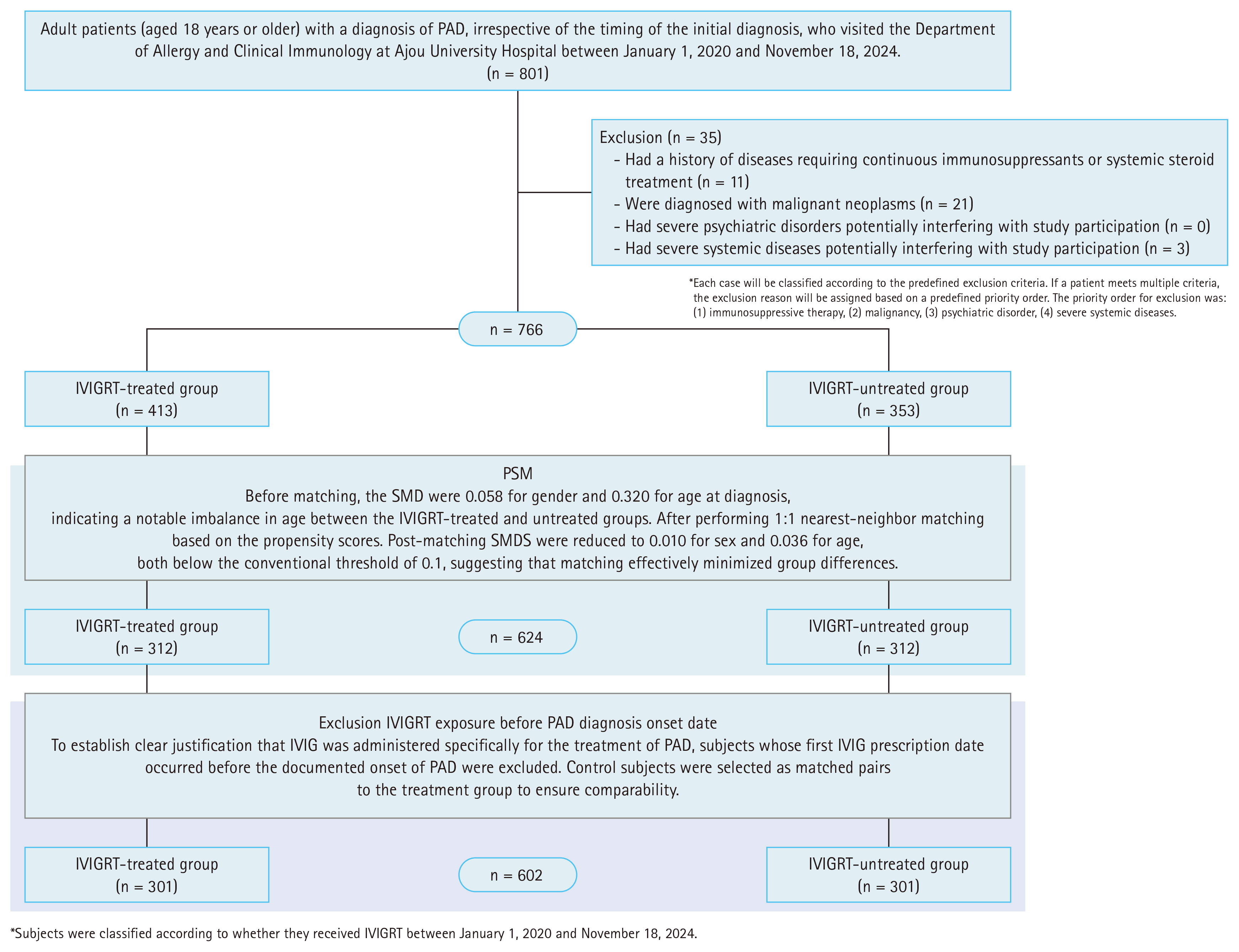
Figure 2
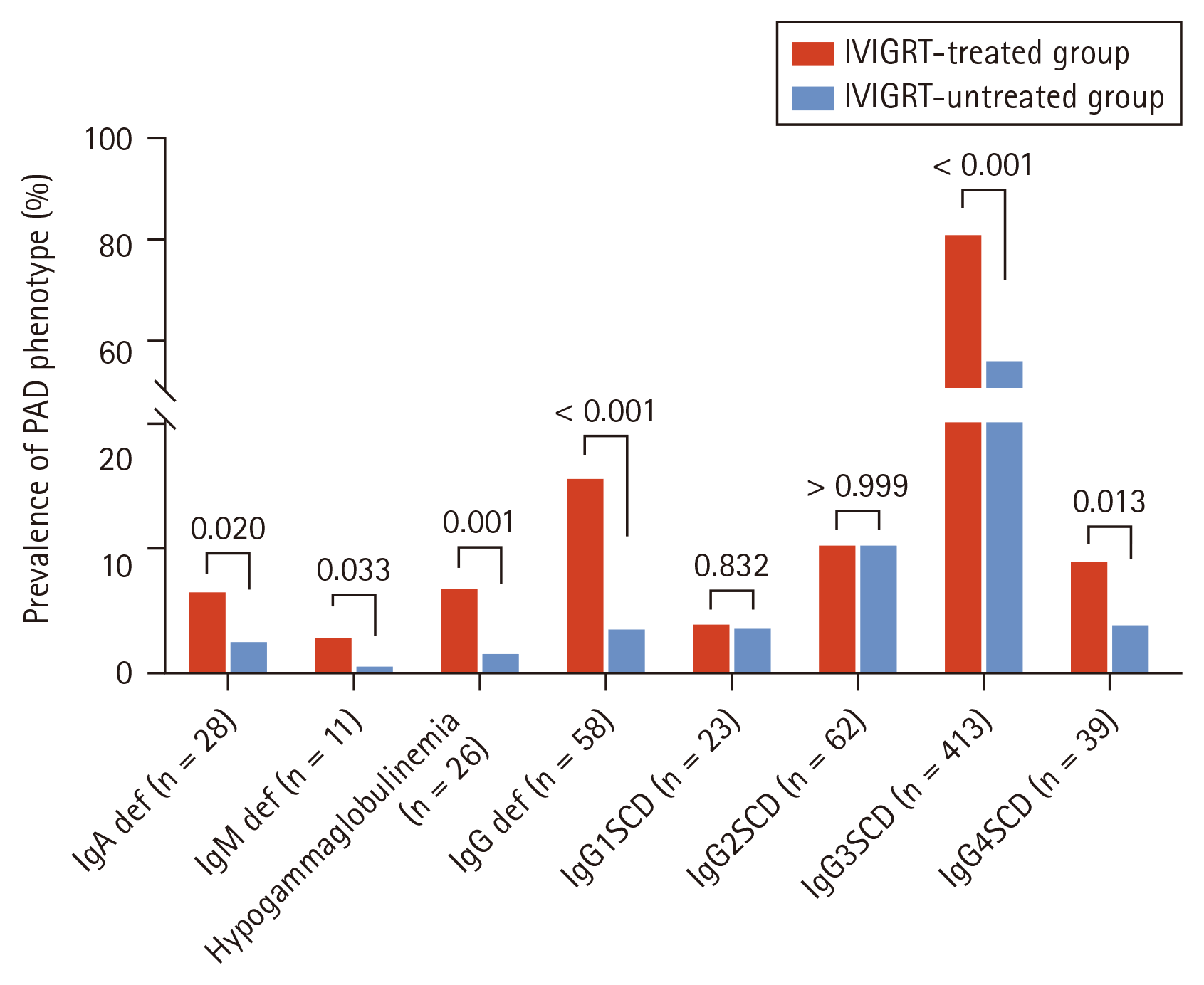
Figure 3
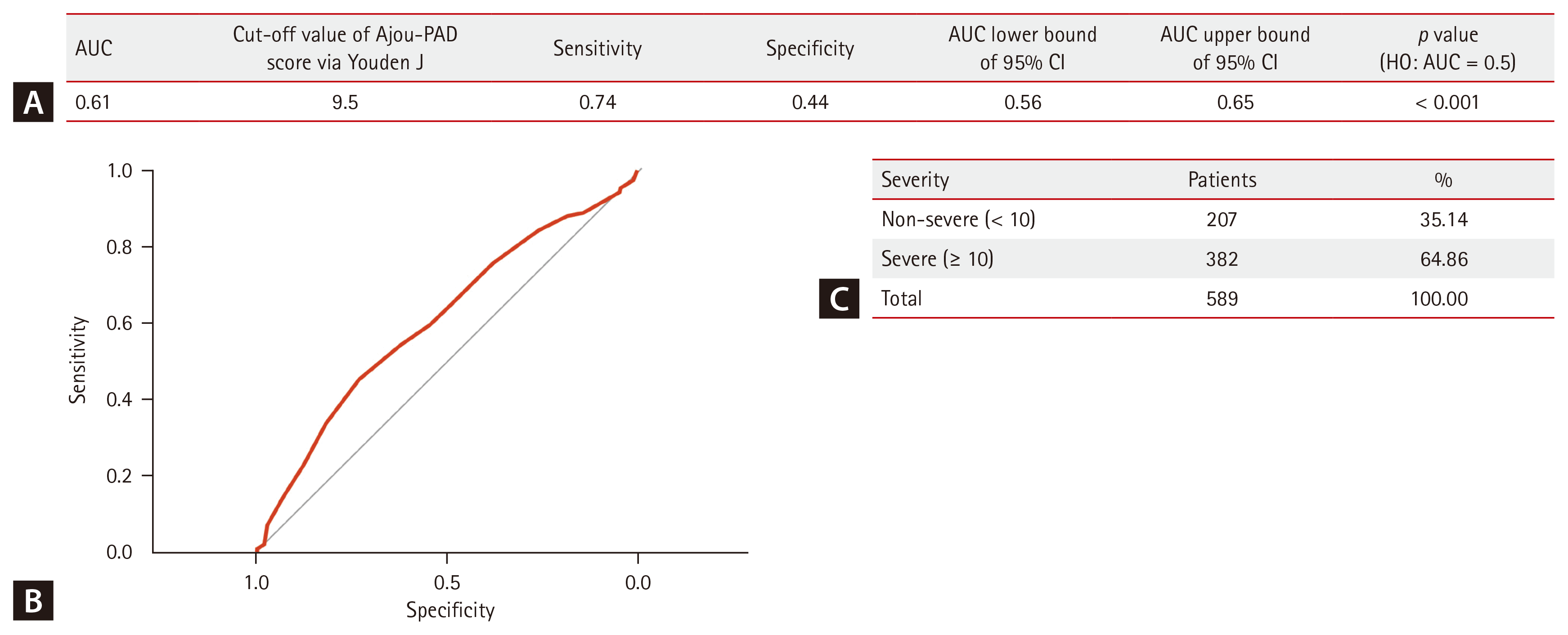
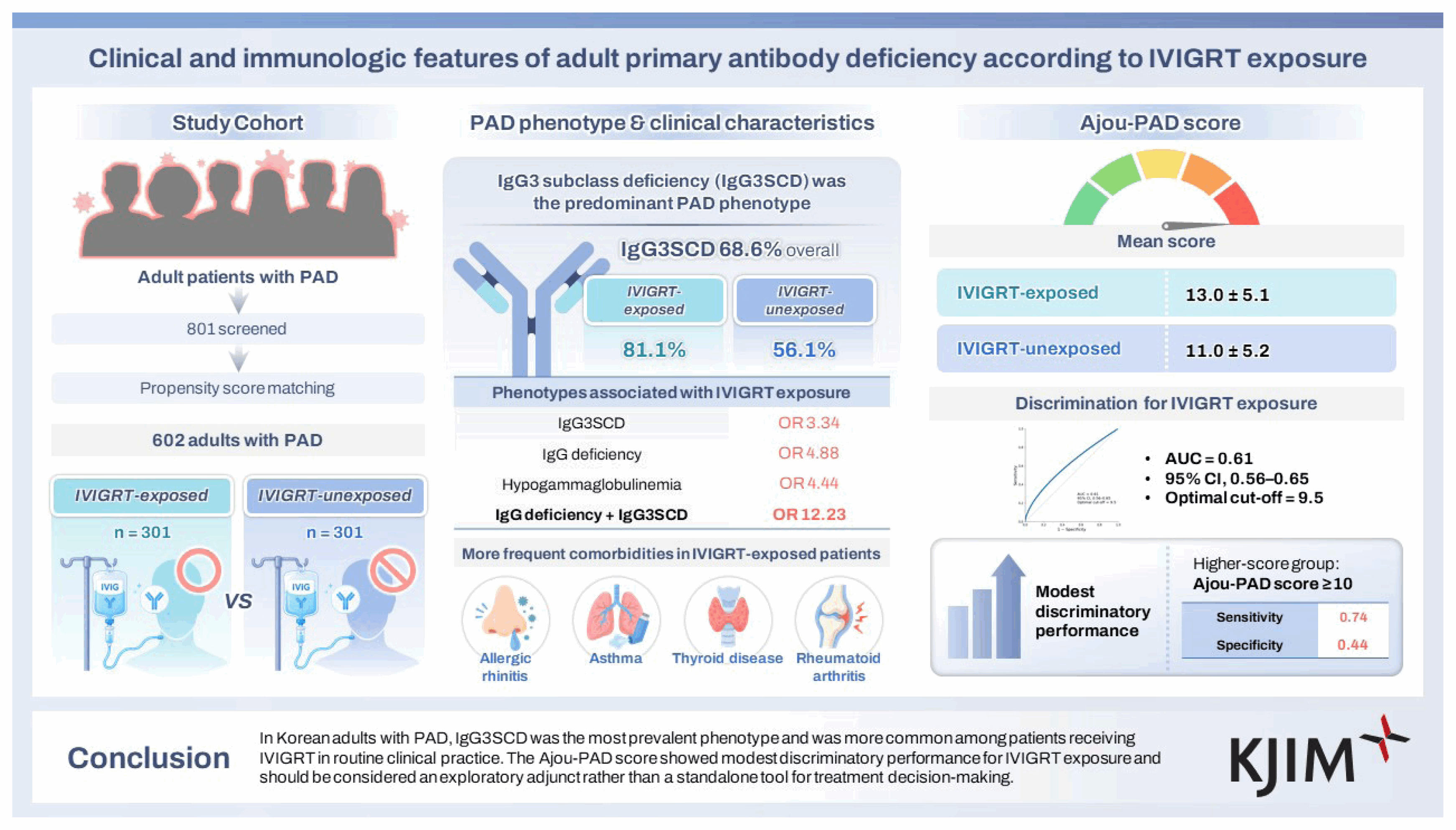
Table 1
Table 2
Table 3
Table 4
Table 5
- References
- References
REFERENCES
1. Tadros S, Prévot J, Meyts I, et al. The PID Odyssey 2030: outlooks, unmet needs, hurdles, and opportunities - proceedings from the IPOPI global multi-stakeholders’ summit (June 2022). Front Immunol 2023;14:1245718.
[Article] [PubMed] [PMC]2. Tangye SG, Al-Herz W, Bousfiha A, et al. Human inborn errors of immunity: 2022 update on the classification from the International Union of Immunological Societies Expert Committee. J Clin Immunol 2022;42:1473–1507.
[Article] [PubMed] [PMC]3. Cunningham-Rundles C, Sidi P, Estrella L, Doucette J. Identifying undiagnosed primary immunodeficiency diseases in minority subjects by using computer sorting of diagnosis codes. J Allergy Clin Immunol 2004;113:747–755.
[Article] [PubMed]4. Bousfiha AA, Jeddane L, Ailal F, et al. Primary immunodeficiency diseases worldwide: more common than generally thought. J Clin Immunol 2013;33:1–7.
[Article] [PubMed]5. Nguyen AT, Aquino MR. Primary antibody deficiencies. Allergy Asthma Proc 2024;45:310–316.
[Article] [PubMed]6. Gathmann B, Mahlaoui N, CEREDIH , et al. Clinical picture and treatment of 2212 patients with common variable immunodeficiency. J Allergy Clin Immunol 2014;134:116–126.
[PubMed]7. Kim JH, Jang JH, Lee SH, et al. Specific antibody deficiency in adult patients with IgG or IgG subclass deficiency. Allergy Asthma Immunol Res 2021;13:271–283.
[Article] [PubMed] [PMC]8. Kim JH, Ye YM, Ban GY, et al. Effects of immunoglobulin replacement on asthma exacerbation in adult asthmatics with IgG subclass deficiency. Allergy Asthma Immunol Res 2017;9:526–533.
[Article] [PubMed] [PMC]9. Chapel H, Lucas M, Lee M, et al. Common variable immunodeficiency disorders: division into distinct clinical phenotypes. Blood 2008;112:277–286.
[Article] [PubMed]10. Quinti I, Soresina A, Spadaro G, et al. Long-term follow-up and outcome of a large cohort of patients with common variable immunodeficiency. J Clin Immunol 2007;27:308–316.
[Article] [PubMed]11. Resnick ES, Moshier EL, Godbold JH, Cunningham-Rundles C. Morbidity and mortality in common variable immune deficiency over 4 decades. Blood 2012;119:1650–1657.
[Article] [PubMed] [PMC]12. Bonilla FA, Barlan I, Chapel H, et al. International Consensus Document (ICON): common variable immunodeficiency disorders. J Allergy Clin Immunol Pract 2016;4:38–59.
[Article] [PubMed] [PMC]13. Bonilla FA, Khan DA, Ballas ZK, et al. Practice parameter for the diagnosis and management of primary immunodeficiency. J Allergy Clin Immunol 2015;136:1186–1205e2078.
[PubMed]14. Bergmans B, Fontane Pennock-Janssen L, van Puijenbroek E, et al. Exploring the pathogens in primary predominantly antibody deficiencies of unknown genetic origin. J Clin Immunol 2025;46:6.
[Article] [PubMed] [PMC]15. Padron GT, Hernandez-Trujillo VP. Autoimmunity in primary immunodeficiencies (PID). Clin Rev Allergy Immunol 2023;65:1–18.
[Article] [PubMed]16. Jang JH, Kim JH, Park HS. Current issues in the management of IgG subclass deficiencies in adults with chronic respiratory diseases. Allergy Asthma Immunol Res 2023;15:562–579.
[Article] [PubMed] [PMC]17. Schroeder HW Jr, Dougherty CJ. Review of intravenous immunoglobulin replacement therapy trials for primary humoral immunodeficiency patients. Infection 2012;40:601–611.
[Article] [PubMed] [PMC]18. Orange JS, Hossny EM, Weiler CR, et al. Use of intravenous immunoglobulin in human disease: a review of evidence by members of the Primary Immunodeficiency Committee of the American Academy of Allergy, Asthma and Immunology. J Allergy Clin Immunol 2006;117(4 Suppl):S525–S553.
[Article] [PubMed]19. Perez EE, Orange JS, Bonilla F, et al. Update on the use of immunoglobulin in human disease: a review of evidence. J Allergy Clin Immunol 2017;139(3S):S1–S46.
[Article] [PubMed]20. Agarwal S, Cunningham-Rundles C. Treatment of hypogammaglobulinemia in adults: a scoring system to guide decisions on immunoglobulin replacement. J Allergy Clin Immunol 2013;131:1699–1701.
[Article] [PubMed] [PMC]21. Toms K, Gkrania-Klotsas E, Kumararatne D. Analysis of scoring systems for primary immunodeficiency diagnosis in adult immunology clinics. Clin Exp Immunol 2021;203:47–54.
[Article] [PubMed] [PMC]22. von Elm E, Altman DG, Egger M, et al. The Strengthening the Reporting of Observational Studies in Epidemiology (STROBE) statement: guidelines for reporting observational studies. J Clin Epidemiol 2008;61:344–349.
[Article] [PubMed] [PMC]23. Jang JH, Woo SD, Lee Y, Shin YS, Ye YM, Park HS. Establishment of reference intervals of serum immunoglobulins in healthy Korean adults. Allergy Asthma Immunol Res 2021;13:671–674.
[Article] [PubMed] [PMC]24. Rosenbaum PR, Rubin DB. The central role of the propensity score in observational studies for causal effects. Biometrika 1983;70:41–55.
[Article] [PMC]25. Austin PC. An introduction to propensity score methods for reducing the effects of confounding in observational studies. Multivariate Behav Res 2011;46:399–424.
[Article] [PubMed] [PMC]26. Del Casale A, Ferracuti S, Mosca A, et al. Multiple chemical sensitivity syndrome: a principal component analysis of symptoms. Int J Environ Res Public Health 2020;17:6551.
[Article] [PubMed] [PMC]27. Dupas D, Dagorne MA. Multiple chemical sensitivity: a diagnosis not to be missed. Rev Mal Respir 2013;30:99–104French.29. Lee SH, Ban GY, Kim SC, et al. Association between primary immunodeficiency and asthma exacerbation in adult asthmatics. Korean J Intern Med 2020;35:449–456.
[Article] [PubMed] [PMC]30. Kim JH, Park HJ, Choi GS, et al. Immunoglobulin G subclass deficiency is the major phenotype of primary immunodeficiency in a Korean adult cohort. J Korean Med Sci 2010;25:824–828.
[Article] [PubMed] [PMC]31. Dogru D, Dogru Y, Atschekzei F, et al. Reappraisal of IgG subclass deficiencies: a retrospective comparative cohort study. Front Immunol 2025;16:1552513.
[Article] [PubMed] [PMC]32. Sim S, Choi Y, Park HS. Update on inflammatory biomarkers for defining asthma phenotype. Allergy Asthma Immunol Res 2024;16:462–472.
[Article] [PubMed] [PMC]33. Quoc QL, Cao TBT, Jang JH, Shin YS, Choi Y, Park HS. ST2-mediated neutrophilic airway inflammation: a therapeutic target for patients with uncontrolled asthma. Allergy Asthma Immunol Res 2024;16:22–41.
[Article] [PubMed] [PMC]34. Okano M, Yamada M, Oka A. Personalized medicine in chronic rhinosinusitis: treatable traits using biologics for unmet needs. Allergy Asthma Immunol Res 2025;17:8–21.
[Article] [PubMed] [PMC]35. Elamine A, Benhsaien I, Ailal F, et al. Autoimmunity and inborn errors of immunity: a complex coexistence. Front Immunol 2026;17:1787739.
[Article] [PubMed] [PMC]36. Orange JS, Grossman WJ, Navickis RJ, Wilkes MM. Impact of trough IgG on pneumonia incidence in primary immunodeficiency: a meta-analysis of clinical studies. Clin Immunol 2010;137:21–30.
[Article] [PubMed]37. Baerenwaldt A, Biburger M, Nimmerjahn F. Mechanisms of action of intravenous immunoglobulins. Expert Rev Clin Immunol 2010;6:425–434.
[Article] [PubMed]38. Berger M. Principles of and advances in immunoglobulin replacement therapy for primary immunodeficiency. Immunol Allergy Clin North Am 2008;28:413–437x.
[Article] [PubMed] [PMC]