The epidemiology of inflammatory bowel disease: exploring the impacts of environmental factors
-
Jihye Park1,, Jae Hee Cheon1,2,

- Received March 11, 2025; Revised April 7, 2025; Accepted May 1, 2025;
- Abstract
-
Inflammatory bowel diseases (IBD), such as ulcerative colitis and Crohn’s disease, are distinct chronic immune-mediated intestinal inflammatory disorders. The pathogenesis of IBD is complex and involves a combination of genetic and environmental factors, the gut microbiome, and the host immune system. Despite significant progress in identifying the genetic factors of IBD, the increasing IBD incidence in recent decades, along with findings from immigrant and twin studies, suggest the involvement of environmental factors on IBD susceptibility. In this review, we summarize various up-to-date environmental factors, including early-life influences; diet, food, and nutritional exposures; urbanization and air pollution; smoking; appendectomy; medications; psychological stress; sleep; and latitude and geography.
- INTRODUCTION
- INTRODUCTION
Inflammatory bowel disease (IBD), including ulcerative colitis (UC) and Crohn’s disease (CD), is a lifelong disease characterized by chronic refractory immune-mediated inflammation of the gastrointestinal tract. The pathogenesis of IBD is complex and multifactorial, and its etiology remains largely unknown [1]. The most widely held hypothesis on IBD pathogenesis is that it involves a complex interaction among genetics, environment, microbiota, and immune responses (Fig. 1) [2,3]. Recent genome-wide association studies have identified many genetic loci associated with IBD. Furthermore, technological advances, such as single cell RNA sequencing, spatial transcriptomics, and single-cell-level mass cytometry, have the potential to identify new specific cell subtypes related to IBD [4–6]. Although host genetic factors may significantly influence the development of IBD, they do not change over just a few decades. Therefore, environmental factors may explain the recent rapid increase in IBD epidemiology. Although still lower than that in Western countries, from 1990 to 2019, the incidence and prevalence of IBD in East Asia have shown a rapid rise in recent epidemiologic studies [7,8]. Additionally, many epidemiological studies on Asian migrants who migrated from low-to high-incidence regions have found an increased prevalence of IBD, particularly in first-generation children. This result supports the hypothesis that exposure to a high-risk environment rather than actual ethnic and genetic factors may play a role in increasing IBD risk [9]. Additionally, in a large European study, the concordant CD rate in monozygotic twins raised in the same environment was between 20% and 50%, whereas in dizygotic twins, the rate was less than 10%. The difference in rates reflects a genetic component in the development of IBD, whereas the low concordance rate among the twins highlights environmental influences [10–12]. In this review, we describe the current understanding of the environmental factors that underpin the increased risk of developing IBD (Table 1 and Fig. 2).
- EARLY-LIFE INFLUENCES
- EARLY-LIFE INFLUENCES
- Mode of delivery
- Mode of delivery
According to the delivery mode, cesarean section could cause slow colonization of the gut microbiota in neonates compared to vaginal delivery and affect the development of the immune system [15,16]. From a Danish cohort from 1973 to 2008, the overall incidence rate ratio (IRR) of IBD associated with cesarean section compared to vaginal delivery was 1.14 (95% confidence interval [CI] = 1.06–1.22), and age-specific IRRs were higher in the age groups 0–4, 5–9, and 10–14 years (1.37, 1.30, and 1.25, respectively) and lower in the age groups 15–19, 20–24, 25–29, and 30–35 years (1.05, 1.19, 1.01, and 1.12, respectively) [17]. Recent evidence suggests that this altered microbial colonization early in life, related to the mode of delivery, does not influence the diagnosis of IBD later in life [18–20].- Breastfeeding
- Breastfeeding
Breastfeeding provides essential nutrients, rich oligosaccharides, and high amounts of immunoglobulin A, which affect early gut microbial structure and immunological function more profoundly than formula feeding [21]. Although there are many conflicting studies on the relationship between breastfeeding and the development of IBD, most have shown that breastfeeding plays a protective role against the risk and severity of IBD [22]. In a recent systematic review with meta-analysis, breastfeeding was associated with a lower risk of CD (odds ratio [OR]: 0.71, 95% CI: 0.59–0.85) and UC (OR: 0.78, 95% CI: 0.67–0.91). Moreover, longer duration of breastfeeding (≥ 12 months) decreases the risk of IBD compared to 3 or 6 months [23].- Early-life antibiotics exposure
- Early-life antibiotics exposure
The use of antibiotics in early life can imprint immunological and microbial changes that may predispose individuals to IBD in later life. In a recent Sweden and Norway cohort study, the use of antibiotics in the first year was associated with IBD (hazard ratio [HR]: 1.33, 95% CI: 1.01–1.76) [24]. In a large prospective case-control study in Sweden, antibiotic exposure was associated with an increased risk of UC (OR: 1.74, 95% CI: 1.64–1.85) and CD (OR: 2.27, 95% CI: 2.06–2.49) compared with no antibiotic use [25]. In a recent meta-analysis, the risk of IBD increased with cumulative antibiotic exposure (≥ 3 dispensations: OR: 2.02, 95% CI: 1.49–2.74; 2 dispensations: OR: 1.36, 95% CI: 1.03–1.78; 1 dispensation: OR: 0.96, 95% CI: 0.72–1.26) [26,27].
Infancy is a critical period for establishing the gut microbiome, which is important for the immunological and metabolic development of an individual’s future health. The hygiene hypothesis proposes that diminished exposure to microbial antigens associated with improved hygiene in early life may increase the risk of immune-mediated diseases, including IBD [13,14].
- DIET, FOOD, AND NUTRITIONAL EXPOSURES
- DIET, FOOD, AND NUTRITIONAL EXPOSURES
Diet, food, and nutritional exposures play a dominant role in shaping the microbial ecology and regulating the immune response in the gut. The Western diet is high in fat, sugar, and refined carbohydrates and low in fiber and fruits. Western dietary patterns in developed countries may be a major driver of the growing incidence of IBD [28].Since 1978, high intakes of fruits, vegetables, and dietary fiber have been found to be strongly associated with a reduced incidence of IBD [29,30]. Dietary fibers, called micro-biota-accessible carbohydrates, have been suggested to be important in the prevention of IBD by providing energy for the intestinal microbiota. Moreover, their products, short-chain fatty acids, could reduce pro-inflammatory cytokines by gut microbiota modulation and barrier maintenance [31]. In contrast, Western dietary patterns and fast food consumption are associated with an increased incidence of IBD [29]. Long-term high intake of fat and sucrose in artificial sugar-sweetened beverages (SSBs), cakes, cookies, and chocolates could alter the gut microbiota composition and IBD predisposition status in animal studies [32–34]. However, a large comparative study did not find an association between total carbohydrate, sugar, and starch intake and the incidence of IBD [35]. A recent meta-analysis found that dietary intake of carbohydrates and SSBs is not significantly associated with an increased risk of IBD, whereas sugar intake is associated with an increased risk [36]. Regarding the high-fat diet, particularly saturated fat, it disrupts the intestinal barrier, decreases mucus production, and activates inflammatory pathways in animal studies [37,38]. In humans, although high saturated fat, high n-6 polyunsaturated fatty acid (PUFA), and low n-3 PUFA levels have been associated with an increased risk of IBD, some prospective studies have not identified such an association [39–41]. Regarding protein intake, no association between other protein sources such as fish, shellfish, eggs, and poultry and IBD was observed. However, total meat consumption is associated with a higher risk of IBD in a dose-dependent manner [42]. Each 100 g/day increment in dietary total meat consumption is associated with a 38% greater risk of IBD incidence [43].In conclusion, because ingested food, host microbiome, and immune function interact in a complex manner, it is difficult to determine whether a single food component is a direct cause of IBD. Nevertheless, based on various research results, it can be concluded that a high intake of fruits, vegetables, and fiber may lower the risk of IBD, whereas a Western diet, excessive intake of fat and sucrose, and excessive intake of protein may increase the risk of IBD.
- PHYSICAL ACTIVITY AND OBESITY
- PHYSICAL ACTIVITY AND OBESITY
In line with the worldwide trend of increasing obesity, the number of patients with IBD is also reported to be increasing among patients with obesity [44]. In a large, prospective cohort of United States women from 1991 to 2008, women with obesity were positively associated with the development of CD compared to women with normal body mass index (HR: 2.3, 95% CI: 1.15–4.69) [45]. In contrast, no association between obesity and the development of IBD in the data from a European prospective cohort study [46]. Although clinical results are conflicting, studies on its pathogenesis have shown that obesity may be a risk factor for the development of IBD. In patients with obesity and high levels of subcutaneous and visceral adipose tissues, adipokines and inflammatory cytokines may be increased, inducing immune responses, altering the composition of the gut microbiota, and maintaining a low-grade preclinical inflammatory state [24,44,47].In contrast to obesity, regular physical activity contributes to the prevention of various chronic diseases through gastrointestinal anti-inflammatory effects and autophagy activation in animal models. Interest in this area has recently increased [48,49]. Although there have been many contradictory clinical results, a recent systematic review and meta-analysis suggests that physical activity is associated with a lower risk of developing CD and UC [50].
- URBANIZATION AND AIR POLLUTION
- URBANIZATION AND AIR POLLUTION
IBD is a worldwide disease, from an epidemiological perspective. Moreover, it has stratified stages: emergence, acceleration in incidence, compounding prevalence, and prevalence equilibrium stages [51]. Western countries are in the compounding prevalence or prevalence equilibrium stage, newly industrialized countries are in the acceleration in incidence stage, and developing countries are in the emergence stage [51]. Urbanization brings about many lifestyle changes, including poor housing, diets with contaminated water, improper food storage, exposure to air pollution, and challenges to global health [52]. No studies have investigated the relationship between the rural versus urban gut microbiomes and development of IBD. Several studies have been conducted in healthy populations; bacterial diversity is lower in rural residents than in urban residents, which is consistent with the reduced bacterial richness and diversity observed in IBD pathogenesis [53]. In the Asia-Pacific Crohn’s and Colitis Epidemiologic Study, the incidence of IBD in highly urbanized regions was higher than that in rural regions [54]. Similarly, a systematic review and meta-analysis suggested that urban regions have a higher incidence rate of UC (IRR: 1.17, 95% CI: 1.03–1.32) and CD (IRR: 1.42, 95% CI: 1.26–1.60) than rural regions [55,56]. However, some studies have contradictory results, showing no difference in the prevalence of IBD between rural and urban areas of India and South Korea [57].Exposure to air pollution accompanied by urbanization is expected to have a harmful effect on human health. Particles inhaled from the lungs through the gut–lung axis into the intestine, airborne particles entering the intestine, or airborne particles in food can affect the gut microbiota and metabolic and immune systems [58]. A recent meta-analysis suggested that although preclinical studies have suggested a link between air pollution exposure and the development of IBD, clinical studies have reported conflicting and inconsistent results depending on air particle size and type [59]. Air pollutants (higher levels of PM2.5), industrial chemicals (Pb, Cu, Fe), and per- and polyfluoroalkyl substances have been reported to increase the risk of the development of IBD [59].
- SMOKING
- SMOKING
In 1984, smoking was suggested as an independent risk factor for the development of CD (RR: 3.5, 95% CI: 1.8–6.6) [60]. Smoking induces many carcinogenic and mutagenic compounds such as aldehydes, quinones, peroxides, nicotine, and nitrosamines. These compounds alter the composition of the gut microbiota and immune system and affect the occurrence and poor disease course of CD [61,62]. Smoking cessation for > 1 year in an intervention study could make the disease course more benign compared to continuing smoking [63].Conversely, smoking is known to reduce the risk of developing UC compared to non-smokers (OR: 0.58, 95% CI: 0.45–0.75) since the 1980s [64,65]. Additionally, some studies have suggested a protective effect on the clinical course of UC, such as colectomy, relapse, and hospitalization rates, in smokers compared to non-smokers [66]. The reason for the opposing effects of smoking on UC and CD is largely unknown, but many studies have investigated the role of nicotine in the colonic mucosal layer, dendritic cells, and cytokines [67–69]. In summary, smoking could increase the risk and worsen the disease course of CD but decrease the risk and alleviate the disease course of UC.Recent studies on the etiology of smoking in IBD have suggested that nicotine induces epigenetic changes [70]. Through epigenetic mechanisms, environmental factors can change genomic activity without changing DNA structure, contributing to the pathogenesis of IBD [70]. For example, in a mouse colitis model, nicotine was shown to increase the expression of microRNA124 and regulate the Th1/Th2 balance, which explains the dual role of smoking in IBDs [71].
- APPENDECTOMY
- APPENDECTOMY
The appendix contains rich lymphoid follicles that resemble Peyer’s patches and act as gut-associated lymphoid tissue, an important part of the immune system, through immunoglobulin G and immunoglobulin A production and microbial reservoirs [72,73]. From this perspective, appendectomy status was found to be associated with the development of CD compared with non-appendectomy status (IRR: 2.11, 95% CI: 1.21–3.79) [74]. Moreover, a recent meta-analysis found that the risk of developing CD increases after appendectomy (RR: 2.28, 95% CI: 1.66–3.14), which persists 5 years postoperatively (RR: 1.24, 95% CI: 1.12–1.36) [75].In contrast to CD, previous appendectomy status is an independent protective factor against developing UC compared with non-appendectomy status (OR: 0.44, 95% CI: 0.30–0.64) [76]. Furthermore, a recent meta-analysis suggested that previous appendectomy status is an independent protective factor for future colectomy in patients with UC (OR: 0.76, 95% CI: 0.65–0.89) [77]. However, the therapeutic role of appendectomy after UC diagnosis has not yet been investigated [78]. Many hypotheses have been proposed to explain the association between appendectomy and UC [79]. One hypothesis states that pathogenic bacteria associated with the pathogenesis of UC are removed by appendectomy, thereby protecting against UC [79]. This also explains why changes in mucosal immune responses and microbiota because of appendectomy negatively impact the development of UC [79].
- MEDICATIONS
- MEDICATIONS
- Oral contraceptives
- Oral contraceptives
Oral contraceptives are widely used in women aged 15–44 years. A recent meta-analysis has found that exposure to oral contraceptives is an independent risk factor for UC (OR: 1.30, 95% CI: 1.13–1.49) and CD (OR: 1.24, 95% CI: 1.09–1.40) [80]. The most common oral contraceptive type is combined oral contraceptive pills (COCPs) that release both estrogen and progesterone. Both second-generation COCPs (CD: OR: 2.12, 95% CI: 1.83–2.44; UC: OR: 1.27, 95% CI: 1.12–1.44) and newer COCPs (CD: OR: 1.64, 95% CI: 1.33–2.01; UC: OR: 1.38, 95% CI: 1.14–1.67) are associated with the development of IBD. However, the use of progesterone-only pills and parenteral contraceptives is not associated with the development of IBD [81]. The exact mechanism has not been established. However, some studies have suggested that oral contraceptives modify intestinal permeability, alter T cell-mediated immune responses, and influence gut microbiota composition, which can lead to the development of IBD [82].- Nonsteroidal anti-inflammatory drugs (NSAIDs)
- Nonsteroidal anti-inflammatory drugs (NSAIDs)
NSAIDs are among the most commonly prescribed medications for pain and inflammation; however, they can cause gastrointestinal toxicity, including gastrointestinal erosions and ulcers [83]. It is well known that frequent use of NSAIDs is associated with the worsening of IBD; therefore, caution is recommended in clinical practice [84]. In three studies that investigated the association between NSAIDs and the development of IBD, the use of NSAIDs was associated with the development of IBD (OR: 1.51, 95% CI: 1.19–1.92) [85–87]. NSAID administration causes a decrease in prostaglandin levels through the inhibition of the cyclooxygenase (COX) enzyme, which contributes to the inflammatory response and may contribute to the development of IBD [83]. COX-2 is upregulated by inflammatory cytokines in the gastrointestinal tract of patients with IBD; however, the role of selective COX-2 inhibitors is controversial [88]. Selective COX-2 inhibitors have fewer gastrointestinal side effects; however, there are conflicting results regarding their effectiveness in treating IBD in animal colitis studies [89].- Isotretinoin
- Isotretinoin
Isotretinoin, a retinoid derivative of vitamin A, is the most effective prescription medication for treating severe acne [90]. Although there have been no randomized controlled trials, some case reports have suggested an association between isotretinoin exposure and the development of IBD [91]. A case report was published of a 29-year-old male patient with acne who was diagnosed with UC in 2007 after 8 months of taking isotretinoin 20 mg twice daily [92]. In a case-control study using large insurance claims data, the study population consisted of 8,189 patients with IBD and 21,832 controls, of whom a total of 60 patients (24 patients with IBD and 36 controls) were exposed to isotretinoin. The study has found that UC is strongly associated with previous isotretinoin exposure (OR: 4.36, 95% CI: 1.97–9.66) [93]. However, a recent retrospective study found that the incidence of crude IBD was 0.08% (21/27,230) in patients with acne exposed to isotretinoin and 0.04% (254/631,089) in patients with acne not exposed to isotretinoin [94]. Therefore, the relationship between the development of IBD and isotretinoin, an acne treatment, remains controversial and requires further investigation.
- PSYCHOLOGICAL STRESS AND SLEEP
- PSYCHOLOGICAL STRESS AND SLEEP
- Psychological stress, anxiety, and depression
- Psychological stress, anxiety, and depression
Psychological stress can trigger a cascade of the hypothalamic- pituitary-adrenal axis and sympathetic and parasympathetic autonomic nervous systems [95]. These systems interact with the enteric nervous system, which is the gut’s own autonomous nervous system comprised of 200–600 million neurons, leading to gut inflammation [96]. Chronic psychological stress can induce the dysfunction of innate and adaptive immune pathways and activate intestinal mucosal mast cells, which increase intestinal permeability, alter macrophage function and autophagy, affect helper/regulatory T cell differentiation, and change microbiota composition [97]. Psychological disorders, such as anxiety or depression, can stimulate the brain–gut axis and may lead to gastrointestinal symptoms [98]. Psychological disorders are more likely to be associated with disease progression or relapse than with IBD onset [99].- Sleep
- Sleep
Sleep disorders are associated with an increase in the sympathetic nervous system and pro-inflammatory cytokines such as tumor necrosis factor and interleukin-6 [100]. Chronic sleep disruption in patients with obstructive sleep apnea can alter the composition of the gut microbiota and induce systemic inflammation [101]. Melatonin is a neurotransmitter produced in the pineal gland in the brain that increases at night and decreases during the day. It not only regulates circadian sleep patterns but is also linked to intestinal inflammation [102]. Therefore, sleep quality may affect subclinical inflammation in IBD development and prognosis [103,104].
- LATITUDE AND GEOGRAPHY
- LATITUDE AND GEOGRAPHY
From 1991 to 1993, the overall incidence of IBD was higher in Northern Europe than in Southern Europe [105]. Similarly, the overall incidence of IBD was higher in the northern parts of the United States than in the southern parts [106]. A study conducted in Scotland from 1981 to 1995 found no variation in UC incidence between the south and the north, but higher incidence rates (2.8 × 10⁵ persons per year) of CD in the north than in the south (1.8 × 10⁵ persons per year) [107]. In addition, a study conducted in France from 2000 to 2002 found no variation in UC incidence between the south and north, but higher incidence rates of CD in the north than in the south [108]. The etiology of the north–south gradient in IBD, particularly CD, is unclear but is believed to be the result of a combination of climate, diet, economic wealth, and genetic susceptibility. Ultraviolet (UV) radiation is generally greater at southern latitudes because they are closer to the equator; UV radiation from the sun is the best natural source of vitamin D and induces regulatory T cells [109,110].Additionally, exposure to hypoxia during air or high-altitude travel is reportedly associated with various gastrointestinal symptoms and may influence the pathogenesis and course of IBD [111]. Hypoxia could activate hypoxia-inducible factors and induce transcription of numerous genes such as nuclear factor-κB and toll-like receptors [112].
- CONCLUSION
- CONCLUSION
Environmental factors play a key role in the development and progression of IBD. Some environmental factors such as diet, air pollution, smoking, medication, psychological stress, and sleep are modifiable lifestyle factors. It is important to understand and control modifiable risk factors, especially in high-risk groups for IBD, such as the family members of patients with IBD. Host genomic predisposition can be aggravated by various environmental factors, leading to gut microbiota dysbiosis, immune pathway activation, and epigenetic modulation via chromatin modifications [70]. Nevertheless, the interaction between environmental factors and the development of IBD is very complex, and the mechanisms underlying these relationships are not well understood. Various longitudinal studies in humans and specific molecular pathway studies in animal or in vitro settings are warranted to demonstrate the potential cause–effect relationship.
- Notes
- Notes
-
CRedit authorship contributions Jae Hee Cheon: conceptualization, writing - review & editing, supervision; Jihye Park: conceptualization, data curation, writing - review & editing, visualization
- Conflicts of Interest
- Conflicts of Interest
-
Conflicts of interest The authors disclose no conflicts.
- Notes
- Notes
-
Funding None
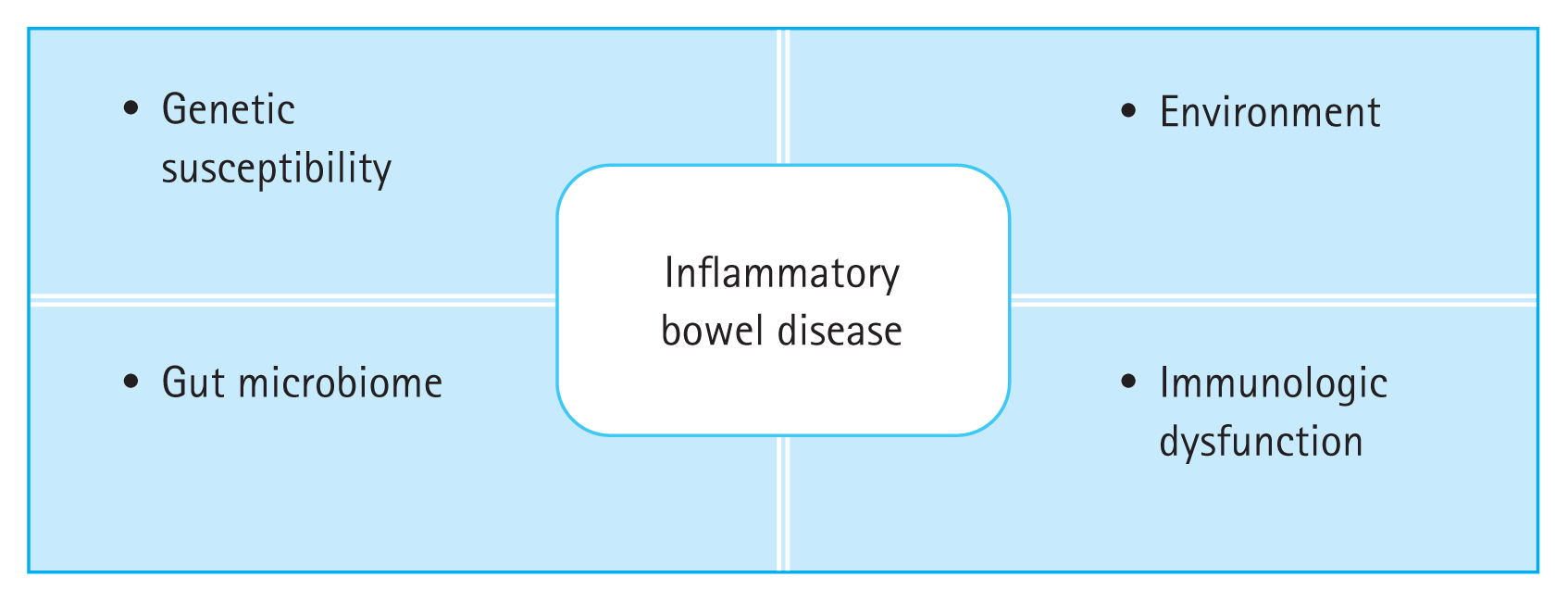
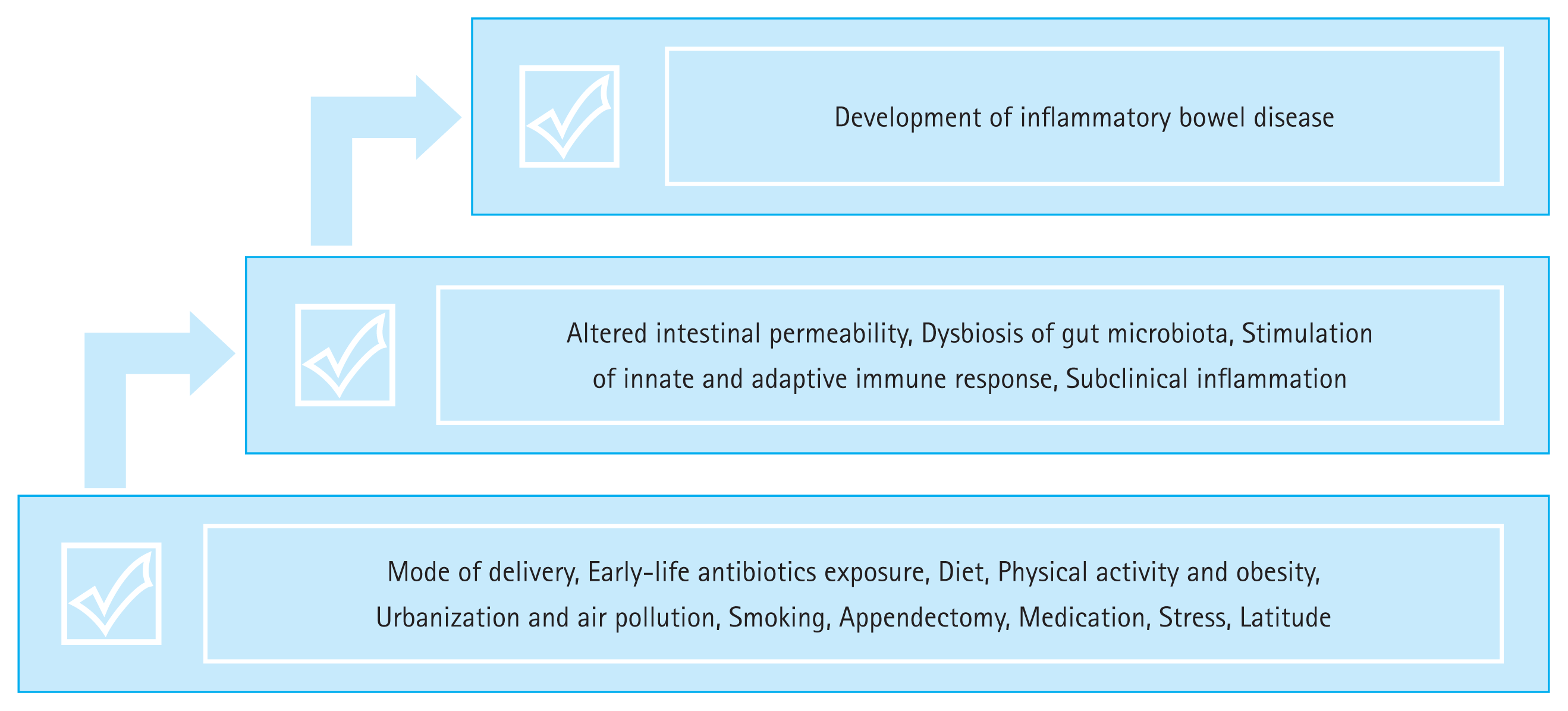
Table 1
Environmental factors associated with the development of inflammatory bowel disease
- References
- References
REFERENCES
1. Guan Q. A comprehensive review and update on the pathogenesis of inflammatory bowel disease. J Immunol Res 2019;2019:7247238.
[Article] [PubMed] [PMC]2. Pandey H, Jain D, Tang DWT, Wong SH, Lal D. Gut microbiota in pathophysiology, diagnosis, and therapeutics of inflammatory bowel disease. Intest Res 2024;22:15–43.
[Article] [PubMed] [PMC]3. Chang JT. Pathophysiology of inflammatory bowel diseases. N Engl J Med 2020;383:2652–2664.
[Article] [PubMed]4. de Lange KM, Moutsianas L, Lee JC, et al. Genome-wide association study implicates immune activation of multiple integrin genes in inflammatory bowel disease. Nat Genet 2017;49:256–261.
[Article] [PubMed] [PMC]5. Gomes T, Teichmann SA, Talavera-López C. Immunology driven by large-scale single-cell sequencing. Trends Immunol 2019;40:1011–1021.
[Article] [PubMed] [PMC]6. Simoni Y, Chng MHY, Li S, Fehlings M, Newell EW. Mass cytometry: a powerful tool for dissecting the immune landscape. Curr Opin Immunol 2018;51:187–196.
[Article] [PubMed]7. Park J, Jeong GH, Song M, et al. The global, regional, and national burden of inflammatory bowel diseases, 1990– 2019: a systematic analysis for the global burden of disease study 2019. Dig Liver Dis 2023;55:1352–1359.
[Article] [PubMed]8. GBD 2017 Inflammatory Bowel Disease Collaborators. The global, regional, and national burden of inflammatory bowel disease in 195 countries and territories, 1990–2017: a systematic analysis for the Global Burden of Disease Study 2017. Lancet Gastroenterol Hepatol 2020;5:17–30.
[PubMed]9. Park J, Cheon JH. Incidence and prevalence of inflammatory bowel disease across Asia. Yonsei Med J 2021;62:99–108.
[Article] [PubMed] [PMC]10. Tysk C, Lindberg E, Järnerot G, Flodérus-Myrhed B. Ulcerative colitis and Crohn’s disease in an unselected population of monozygotic and dizygotic twins. A study of heritability and the influence of smoking. Gut 1988;29:990–996.
[Article] [PubMed] [PMC]11. Thompson NP, Driscoll R, Pounder RE, Wakefield AJ. Genetics versus environment in inflammatory bowel disease: results of a British twin study. BMJ 1996;312:95–96.
[Article] [PubMed] [PMC]12. Halfvarson J, Bodin L, Tysk C, Lindberg E, Järnerot G. Inflammatory bowel disease in a Swedish twin cohort: a long-term follow-up of concordance and clinical characteristics. Gastroenterology 2003;124:1767–1773.
[Article] [PubMed]13. Strachan DP. Hay fever, hygiene, and household size. BMJ 1989;299:1259–1260.
[Article] [PubMed] [PMC]14. Park J, Hong SN, Lee HS, Small Intestine Research Group and the Microbiome Research Group of the Korean Association for the Study of Intestinal Diseases (KASID), et al. Perception of fecal microbiota transplantation in patients with ulcerative colitis in Korea: a KASID multicenter study. Korean J Intern Med 2024;39:783–792.
[Article] [PubMed] [PMC]15. Lai C, Huang L, Wang Y, et al. Effect of different delivery modes on intestinal microbiota and immune function of neonates. Sci Rep 2024;14:17452.
[Article] [PubMed] [PMC]16. Reyman M, van Houten MA, van Baarle D, et al. Impact of delivery mode-associated gut microbiota dynamics on health in the first year of life. Nat Commun 2019;10:4997.
[Article] [PubMed] [PMC]17. Bager P, Simonsen J, Nielsen NM, Frisch M. Cesarean section and offspring’s risk of inflammatory bowel disease: a national cohort study. Inflamm Bowel Dis 2012;18:857–862.
[Article] [PubMed]18. Bruce A, Black M, Bhattacharya S. Mode of delivery and risk of inflammatory bowel disease in the offspring: systematic review and meta-analysis of observational studies. Inflamm Bowel Dis 2014;20:1217–1226.
[PubMed]19. Frias Gomes C, Narula N, Morão B, Nicola P, Cravo M, Torres J. Mode of delivery does not affect the risk of inflammatory bowel disease. Dig Dis Sci 2021;66:398–407.
[Article] [PubMed]20. Bernstein CN, Banerjee A, Targownik LE, et al. Cesarean section delivery is not a risk factor for development of inflammatory bowel disease: a population-based analysis. Clin Gastroenterol Hepatol 2016;14:50–57.
[Article] [PubMed]21. Davis EC, Castagna VP, Sela DA, et al. Gut microbiome and breast-feeding: Implications for early immune development. J Allergy Clin Immunol 2022;150:523–534.
[Article] [PubMed] [PMC]22. Bertin B, Foligne B, Ley D, et al. An overview of the influence of breastfeeding on the development of inflammatory bowel disease. Nutrients 2023;15:5103.
[Article] [PubMed] [PMC]23. Xu L, Lochhead P, Ko Y, Claggett B, Leong RW, Ananthakrishnan AN. Systematic review with meta-analysis: breastfeeding and the risk of Crohn’s disease and ulcerative colitis. Aliment Pharmacol Ther 2017;46:780–789.
[Article] [PubMed] [PMC]24. Mårild K, Lerchova T, Östensson M, Imberg H, Størdal K, Ludvigsson J. Early-life infections, antibiotics and later risk of childhood and early adult-onset inflammatory bowel disease: pooled analysis of two Scandinavian birth cohorts. Aliment Pharmacol Ther 2025;61:323–334.
[Article] [PubMed] [PMC]25. Nguyen LH, Örtqvist AK, Cao Y, et al. Antibiotic use and the development of inflammatory bowel disease: a national case-control study in Sweden. Lancet Gastroenterol Hepatol 2020;5:986–995.
[Article] [PubMed] [PMC]26. Pan R, He Y, Yuan J, et al. The role of antibiotic exposure as risk factor for IBD epidemic: an updated meta-analysis. J Gastroenterol Hepatol 2024;39:2561–2571.
[Article] [PubMed]27. Agrawal M, Sabino J, Frias-Gomes C, et al. Early life exposures and the risk of inflammatory bowel disease: systematic review and meta-analyses. EClinicalMedicine 2021;36:100884.
[Article] [PubMed] [PMC]28. Li T, Qiu Y, Yang HS, et al. Systematic review and meta-analysis: association of a pre-illness Western dietary pattern with the risk of developing inflammatory bowel disease. J Dig Dis 2020;21:362–371.
[Article] [PubMed]29. Christensen C, Knudsen A, Arnesen EK, Hatlebakk JG, Sletten IS, Fadnes LT. Diet, food, and nutritional exposures and inflammatory bowel disease or progression of disease: an umbrella review. Adv Nutr 2024;15:100219.
[Article] [PubMed] [PMC]30. Owczarek D, Rodacki T, Domagała-Rodacka R, Cibor D, Mach T. Diet and nutritional factors in inflammatory bowel diseases. World J Gastroenterol 2016;22:895–905.
[Article] [PubMed] [PMC]31. Serrano Fernandez V, Seldas Palomino M, Laredo-Aguilera JA, Pozuelo-Carrascosa DP, Carmona-Torres JM. High-fiber diet and Crohn’s disease: systematic review and meta-analysis. Nutrients 2023;15:3114.
[Article] [PubMed] [PMC]32. Arnone D, Vallier M, Hergalant S, et al. Long-term overconsumption of fat and sugar causes a partially reversible pre-inflammatory bowel disease state. Front Nutr 2021;8:758518.
[Article] [PubMed] [PMC]33. Shon WJ, Jung MH, Kim Y, Kang GH, Choi EY, Shin DM. Sugar-sweetened beverages exacerbate high-fat diet-induced inflammatory bowel disease by altering the gut microbiome. J Nutr Biochem 2023;113:109254.
[Article] [PubMed]34. Khan S, Waliullah S, Godfrey V, et al. Dietary simple sugars alter microbial ecology in the gut and promote colitis in mice. Sci Transl Med 2020;12:eaay6218.
[Article] [PubMed]35. Chan SS, Luben R, van Schaik F, et al. Carbohydrate intake in the etiology of Crohn’s disease and ulcerative colitis. Inflamm Bowel Dis 2014;20:2013–2021.
[PubMed] [PMC]36. Khademi Z, Milajerdi A, Larijani B, Esmaillzadeh A. Dietary intake of total carbohydrates, sugar and sugar-sweetened beverages, and risk of inflammatory bowel disease: a systematic review and meta-analysis of prospective cohort studies. Front Nutr 2021;8:707795.
[Article] [PubMed] [PMC]37. Dang Y, Ma C, Chen K, et al. The effects of a high-fat diet on inflammatory bowel disease. Biomolecules 2023;13:905.
[Article] [PubMed] [PMC]38. Wei Y, Li J, Li J, et al. Dietary long-chain fatty acids promote colitis by regulating palmitoylation of STAT3 through CD36-mediated endocytosis. Cell Death Dis 2024;15:60.
[Article] [PubMed] [PMC]39. Ananthakrishnan AN. Epidemiology and risk factors for IBD. Nat Rev Gastroenterol Hepatol 2015;12:205–217.
[Article] [PubMed]40. Ananthakrishnan AN, Khalili H, Konijeti GG, et al. Long-term intake of dietary fat and risk of ulcerative colitis and Crohn’s disease. Gut 2014;63:776–784.
[Article] [PubMed] [PMC]41. Aggarwal K, Singh B, Goel A, et al. Complex dichotomous links of nonalcoholic fatty liver disease and inflammatory bowel disease: exploring risks, mechanisms, and management modalities. Intest Res 2024;22:414–427.
[Article] [PubMed] [PMC]42. Dong C, Chan SSM, Jantchou P, et al. Meat intake is associated with a higher risk of ulcerative colitis in a large European prospective cohort studyø. J Crohns Colitis 2022;16:1187–1196.
[Article] [PubMed] [PMC]43. Talebi S, Zeraattalab-Motlagh S, Rahimlou M, et al. The association between total protein, animal protein, and animal protein sources with risk of inflammatory bowel diseases: a systematic review and meta-analysis of cohort studies. Adv Nutr 2023;14:752–761.
[Article] [PubMed] [PMC]44. Singh S, Dulai PS, Zarrinpar A, Ramamoorthy S, Sandborn WJ. Obesity in IBD: epidemiology, pathogenesis, disease course and treatment outcomes. Nat Rev Gastroenterol Hepatol 2017;14:110–121.
[Article] [PubMed] [PMC]45. Khalili H, Ananthakrishnan AN, Konijeti GG, et al. Measures of obesity and risk of Crohn’s disease and ulcerative colitis. Inflamm Bowel Dis 2015;21:361–368.
[Article] [PubMed] [PMC]46. Chan SS, Luben R, Olsen A, et al. Body mass index and the risk for Crohn’s disease and ulcerative colitis: data from a European Prospective Cohort Study (The IBD in EPIC Study). Am J Gastroenterol 2013;108:575–582.
[Article] [PubMed] [PMC]47. Addanki S, Mashukova A, Levy A. Exploring the link between celiac disease and obesity: a potential role of gut microbiome. Intest Res 2025;23:193–201.
[Article] [PubMed] [PMC]48. Packer N, Hoffman-Goetz L. Exercise training reduces inflammatory mediators in the intestinal tract of healthy older adult mice. Can J Aging 2012;31:161–171.
[Article] [PubMed]49. He C, Bassik MC, Moresi V, et al. Exercise-induced BCL2-regulated autophagy is required for muscle glucose homeostasis. Nature 2012;481:511–515.
[Article] [PubMed] [PMC]50. Tiong HT, Fan D, Frampton C, Ananthakrishnan AN, Gearry RB. Physical activity is associated with a decreased risk of developing inflammatory bowel disease: a systematic review and meta-analysis. J Crohns Colitis 2024;18:1476–1485.
[Article] [PubMed]51. Kaplan GG, Windsor JW. The four epidemiological stages in the global evolution of inflammatory bowel disease. Nat Rev Gastroenterol Hepatol 2021;18:56–66.
[Article] [PubMed] [PMC]52. Neiderud CJ. How urbanization affects the epidemiology of emerging infectious diseases. Infect Ecol Epidemiol 2015;5:27060.
[Article] [PubMed] [PMC]53. Zuo T, Kamm MA, Colombel JF, Ng SC. Urbanization and the gut microbiota in health and inflammatory bowel disease. Nat Rev Gastroenterol Hepatol 2018;15:440–452.
[Article] [PubMed]54. Ng SC, Tang W, Ching JY, Asia–Pacific Crohn’s and Colitis Epidemiologic Study (ACCESS) Study Group, et al. Incidence and phenotype of inflammatory bowel disease based on results from the Asia-pacific Crohn’s and colitis epidemiology study. Gastroenterology 2013;145:158–165e2.
[Article] [PubMed]55. Soon IS, Molodecky NA, Rabi DM, Ghali WA, Barkema HW, Kaplan GG. The relationship between urban environment and the inflammatory bowel diseases: a systematic review and meta-analysis. BMC Gastroenterol 2012;12:51.
[Article] [PubMed] [PMC]56. Jung YS, Park DI, Ye BD, et al. Long-term clinical outcomes of urban versus rural environment in Korean patients with Crohn’s disease: results from the CONNECT study. J Crohns Colitis 2015;9:246–251.
[Article] [PubMed]57. Banerjee R, Pal P, Patel R, et al. Inflammatory bowel disease (IBD) in rural and urban India: results from community colonoscopic evaluation of more than 30,000 symptomatic patients. Lancet Reg Health Southeast Asia 2023;19:100259.
[Article] [PubMed] [PMC]58. Vogli M, Peters A, Wolf K, et al. Long-term exposure to ambient air pollution and inflammatory response in the KORA study. Sci Total Environ 2024;912:169416.
[Article] [PubMed]59. Estevinho MM, Midya V, Cohen-Mekelburg S, et al. Emerging role of environmental pollutants in inflammatory bowel disease risk, outcomes and underlying mechanisms. Gut 2025;74:477–486.
[Article] [PubMed] [PMC]60. Somerville KW, Logan RF, Edmond M, Langman MJ. Smoking and Crohn’s disease. Br Med J (Clin Res Ed) 1984;289:954–956.
[Article] [PubMed] [PMC]61. Parkes GC, Whelan K, Lindsay JO. Smoking in inflammatory bowel disease: impact on disease course and insights into the aetiology of its effect. J Crohns Colitis 2014;8:717–725.
[Article] [PubMed]62. Berkowitz L, Schultz BM, Salazar GA, et al. Impact of cigarette smoking on the gastrointestinal tract inflammation: opposing effects in Crohn’s disease and ulcerative colitis. Front Immunol 2018;9:74.
[Article] [PubMed] [PMC]63. Cosnes J, Beaugerie L, Carbonnel F, Gendre JP. Smoking cessation and the course of Crohn’s disease: an intervention study. Gastroenterology 2001;120:1093–1099.
[Article] [PubMed]64. Higuchi LM, Khalili H, Chan AT, Richter JM, Bousvaros A, Fuchs CS. A prospective study of cigarette smoking and the risk of inflammatory bowel disease in women. Am J Gastroenterol 2012;107:1399–1406.
[Article] [PubMed] [PMC]65. de Castella H. Non-smoking: a feature of ulcerative colitis. Br Med J (Clin Res Ed) 1982;284:1706.
[Article] [PubMed] [PMC]66. Bastida G, Beltrán B. Ulcerative colitis in smokers, non-smokers and ex-smokers. World J Gastroenterol 2011;17:2740–2747.
[Article] [PubMed] [PMC]67. Ueno A, Jijon H, Traves S, et al. Opposing effects of smoking in ulcerative colitis and Crohn’s disease may be explained by differential effects on dendritic cells. Inflamm Bowel Dis 2014;20:800–810.
[Article] [PubMed]68. Sher ME, Bank S, Greenberg R, et al. The influence of cigarette smoking on cytokine levels in patients with inflammatory bowel disease. Inflamm Bowel Dis 1999;5:73–78.
[Article] [PubMed]69. Pullan RD. Colonic mucus, smoking and ulcerative colitis. Ann R Coll Surg Engl 1996;78:85–91.
[PubMed] [PMC]70. Törüner M, Ünal NG. Epigenetics of inflammatory bowel diseases. Turk J Gastroenterol 2023;34:437–448.
[Article] [PubMed] [PMC]71. Qin Z, Wang PY, Wan JJ, et al. MicroRNA124-IL6R mediates the effect of nicotine in inflammatory bowel disease by shifting Th1/Th2 balance toward Th1. Front Immunol 2020;11:235.
[Article] [PubMed] [PMC]72. Girard-Madoux MJH, Gomez de Agüero M, Ganal-Vonarburg SC, et al. The immunological functions of the Appendix: an example of redundancy? Semin Immunol 2018;36:31–44.
[Article] [PubMed]73. Song EM, Joo YH, Jung SA, et al. The role of PD-1/PD-L1 pathway in ulcerative colitis and changes following tonsil-derived mesenchymal stem cells treatment. Korean J Intern Med 2024;39:917–930.
[Article] [PubMed] [PMC]74. Andersson RE, Olaison G, Tysk C, Ekbom A. Appendectomy is followed by increased risk of Crohn’s disease. Gastroenterology 2003;124:40–46.
[Article] [PubMed]75. Zhang L, Hu C, Zhang Z, et al. Association between prior appendectomy and the risk and course of Crohn’s disease: a systematic review and meta-analysis. Clin Res Hepatol Gastroenterol 2023;47:102090.
[Article] [PubMed]76. Deng P, Wu J. Meta-analysis of the association between appendiceal orifice inflammation and appendectomy and ulcerative colitis. Rev Esp Enferm Dig 2016;108:401–410.
[Article] [PubMed]77. Welsh S, Sam Z, Seenan JP, Nicholson GA. The role of appendicectomy in ulcerative colitis: systematic review and meta-analysis. Inflamm Bowel Dis 2023;29:633–646.
[Article] [PubMed]78. Agrawal M, Allin KH, Mehandru S, Faith J, Jess T, Colombel JF. The appendix and ulcerative colitis - an unsolved connection. Nat Rev Gastroenterol Hepatol 2023;20:615–624.
[Article] [PubMed] [PMC]79. Koutroubakis IE, Vlachonikolis IG, Kouroumalis EA. Role of appendicitis and appendectomy in the pathogenesis of ulcerative colitis: a critical review. Inflamm Bowel Dis 2002;8:277–286.
[Article] [PubMed]80. Ortizo R, Lee SY, Nguyen ET, Jamal MM, Bechtold MM, Nguyen DL. Exposure to oral contraceptives increases the risk for development of inflammatory bowel disease: a meta- analysis of case-controlled and cohort studies. Eur J Gastroenterol Hepatol 2017;29:1064–1070.
[Article] [PubMed]81. Pasvol TJ, Bloom S, Segal AW, Rait G, Horsfall L. Use of contraceptives and risk of inflammatory bowel disease: a nested case-control study. Aliment Pharmacol Ther 2022;55:318–326.
[Article] [PubMed] [PMC]82. Khalili H. Risk of inflammatory bowel disease with oral contraceptives and menopausal hormone therapy: current evidence and future directions. Drug Saf 2016;39:193–197.
[Article] [PubMed] [PMC]83. Klein A, Eliakim R. Non steroidal anti-inflammatory drugs and inflammatory bowel disease. Pharmaceuticals (Basel) 2010;3:1084–1092.
[Article] [PubMed] [PMC]84. Cohen-Mekelburg S, Van T, Wallace B, et al. The association between nonsteroidal anti-inflammatory drug use and inflammatory bowel disease exacerbations: a true association or residual bias? Am J Gastroenterol 2022;117:1851–1857.
[Article] [PubMed] [PMC]85. Chan SS, Luben R, Bergmann MM, et al. Aspirin in the aetiology of Crohn’s disease and ulcerative colitis: a European prospective cohort study. Aliment Pharmacol Ther 2011;34:649–655.
[Article] [PubMed]86. Ananthakrishnan AN, Higuchi LM, Huang ES, et al. Aspirin, nonsteroidal anti-inflammatory drug use, and risk for Crohn disease and ulcerative colitis: a cohort study. Ann Intern Med 2012;156:350–359.
[Article] [PubMed] [PMC]87. Wang YF, Ou-Yang Q, Xia B, et al. Multicenter case-control study of the risk factors for ulcerative colitis in China. World J Gastroenterol 2013;19:1827–1833.
[Article] [PubMed] [PMC]88. Ribaldone DG, Fagoonee S, Astegiano M, et al. Coxib’s safety in patients with inflammatory bowel diseases: a meta- analysis. Pain Physician 2015;18:599–607.
[PubMed]89. Wang D, Dubois RN. The role of COX-2 in intestinal inflammation and colorectal cancer. Oncogene 2010;29:781–788.
[Article] [PubMed] [PMC]90. Rollman O, Vahlquist A. Oral isotretinoin (13-cis-retinoic acid) therapy in severe acne: drug and vitamin A concentrations in serum and skin. J Invest Dermatol 1986;86:384–389.
[Article] [PubMed]91. Miqdad MA, Alatta L, Abdelsamad A, et al. Isotretinoin-induced inflammatory bowel disease: is there a real association? Cureus 2022;14:e29825.
[Article] [PubMed] [PMC]92. Papaconstantinou I, Stefanopoulos A, Papailia A, Zeglinas C, Georgopoulos I, Michopoulos S. Isotretinoin and ulcerative colitis: a case report and review of the literature. World J Gastrointest Surg 2014;6:142–145.
[Article] [PubMed] [PMC]93. Crockett SD, Porter CQ, Martin CF, Sandler RS, Kappelman MD. Isotretinoin use and the risk of inflammatory bowel disease: a case-control study. Am J Gastroenterol 2010;105:1986–1993.
[Article] [PubMed] [PMC]94. Wright S, Strunk A, Garg A. Risk of new-onset inflammatory bowel disease among patients with acne vulgaris exposed to isotretinoin. J Am Acad Dermatol 2021;84:41–45.
[Article] [PubMed]95. Mawdsley JE, Rampton DS. Psychological stress in IBD: new insights into pathogenic and therapeutic implications. Gut 2005;54:1481–1491.
[Article] [PubMed] [PMC]96. Schneider KM, Blank N, Alvarez Y, et al. The enteric nervous system relays psychological stress to intestinal inflammation. Cell 2023;186:2823–2838e20.
[Article] [PubMed] [PMC]97. Ge L, Liu S, Li S, et al. Psychological stress in inflammatory bowel disease: psychoneuroimmunological insights into bidirectional gut-brain communications. Front Immunol 2022;13:1016578.
[Article] [PubMed] [PMC]98. Gracie DJ, Hamlin PJ, Ford AC. The influence of the braingut axis in inflammatory bowel disease and possible implications for treatment. Lancet Gastroenterol Hepatol 2019;4:632–642.
[Article] [PubMed]99. Eugenicos MP, Ferreira NB. Psychological factors associated with inflammatory bowel disease. Br Med Bull 2021;138:16–28.
[Article] [PubMed] [PMC]100. Irwin MR. Sleep and inflammation: partners in sickness and in health. Nat Rev Immunol 2019;19:702–715.
[Article] [PubMed]101. Poroyko VA, Carreras A, Khalyfa A, et al. Chronic sleep disruption alters gut microbiota, induces systemic and adipose tissue inflammation and insulin resistance in mice. Sci Rep 2016;6:35405.
[Article] [PubMed] [PMC]102. Kim SW, Kim S, Son M, Cheon JH, Park YS. Melatonin controls microbiota in colitis by goblet cell differentiation and antimicrobial peptide production through Toll-like receptor 4 signalling. Sci Rep 2020;10:2232.
[Article] [PubMed] [PMC]103. Barnes A, Andrews JM, Mukherjee S, et al. Insomnia is common in inflammatory bowel disease (IBD) and is associated with mental health conditions as well as IBD activity. Intest Res 2024;22:104–114.
[Article] [PubMed] [PMC]104. Chang JY. The impact of sleep quality on the prognosis of inflammatory bowel disease commonly overlooked by gastroenterologists. Intest Res 2024;22:5–7.
[Article] [PubMed] [PMC]105. Shivananda S, Lennard-Jones J, Logan R, et al. Incidence of inflammatory bowel disease across Europe: is there a difference between north and south? Results of the European Collaborative Study on Inflammatory Bowel Disease (EC-IBD). Gut 1996;39:690–697.
[Article] [PubMed] [PMC]106. Sonnenberg A, McCarty DJ, Jacobsen SJ. Geographic variation of inflammatory bowel disease within the United States. Gastroenterology 1991;100:143–149.
[Article] [PubMed]107. Armitage EL, Aldhous MC, Anderson N, et al. Incidence of juvenile-onset Crohn’s disease in Scotland: association with northern latitude and affluence. Gastroenterology 2004;127:1051–1057.
[Article] [PubMed]108. Nerich V, Monnet E, Etienne A, et al. Geographical variations of inflammatory bowel disease in France: a study based on national health insurance data. Inflamm Bowel Dis 2006;12:218–226.
[Article] [PubMed]109. Engelsen O. The relationship between ultraviolet radiation exposure and vitamin D status. Nutrients 2010;2:482–495.
[Article] [PubMed] [PMC]110. Maeda A, Beissert S, Schwarz T, Schwarz A. Phenotypic and functional characterization of ultraviolet radiation-induced regulatory T cells. J Immunol 2008;180:3065–3071.
[Article] [PubMed]